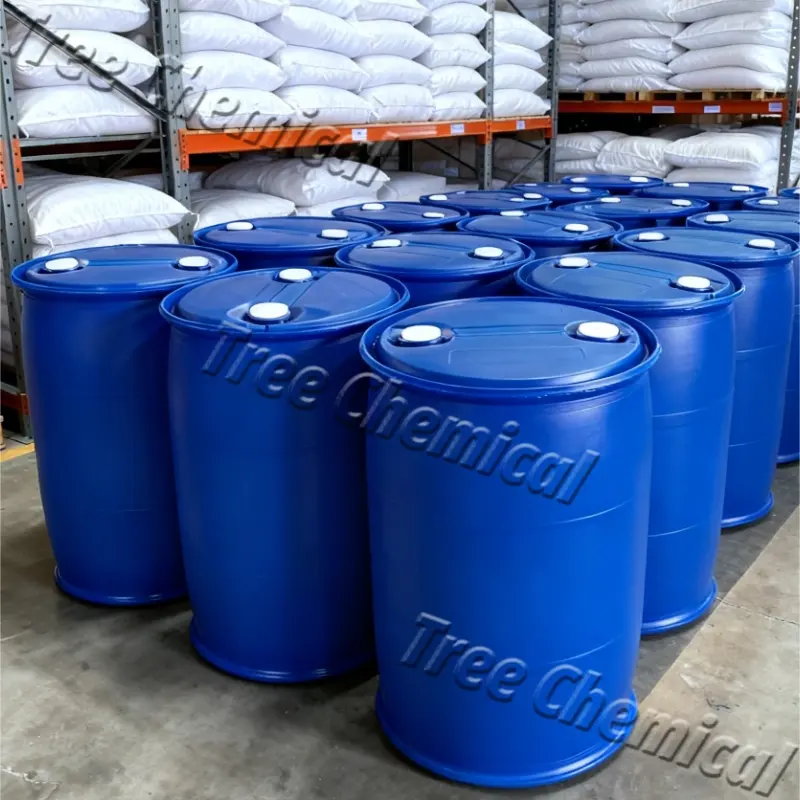
2-Acetylbutyrolactone ABL α-Acetyl-γ-butyrolactone CAS 517-23-7
- CAS No.: 517-23-7
- EINECS: 208-235-2
- Grade: Superior Grade / First Grade / Qualified Grade
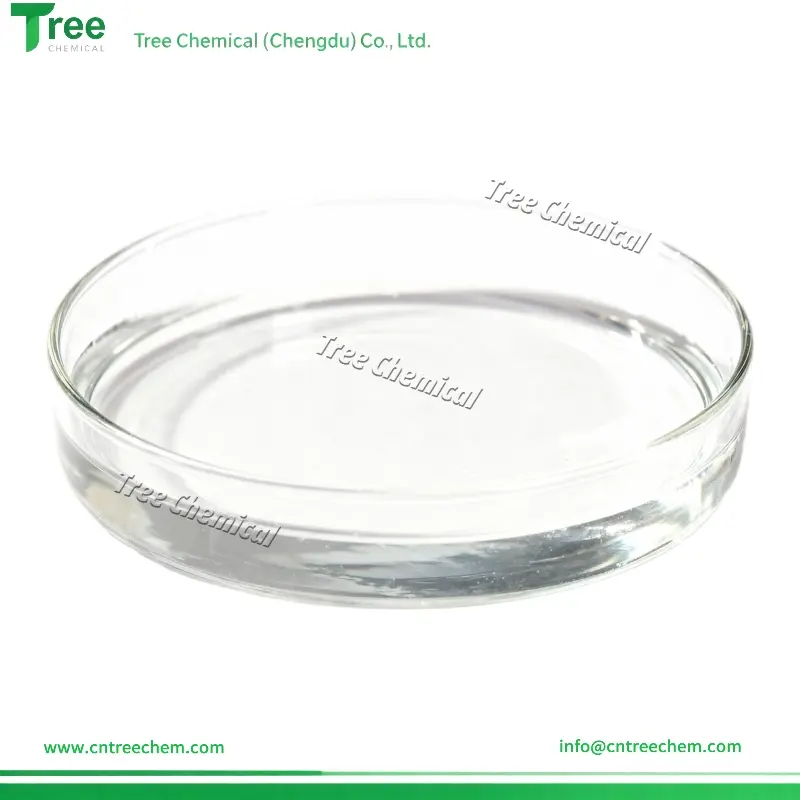
- Appearance: Colorless to light yellow liquid
- Purity: ≥98.5%
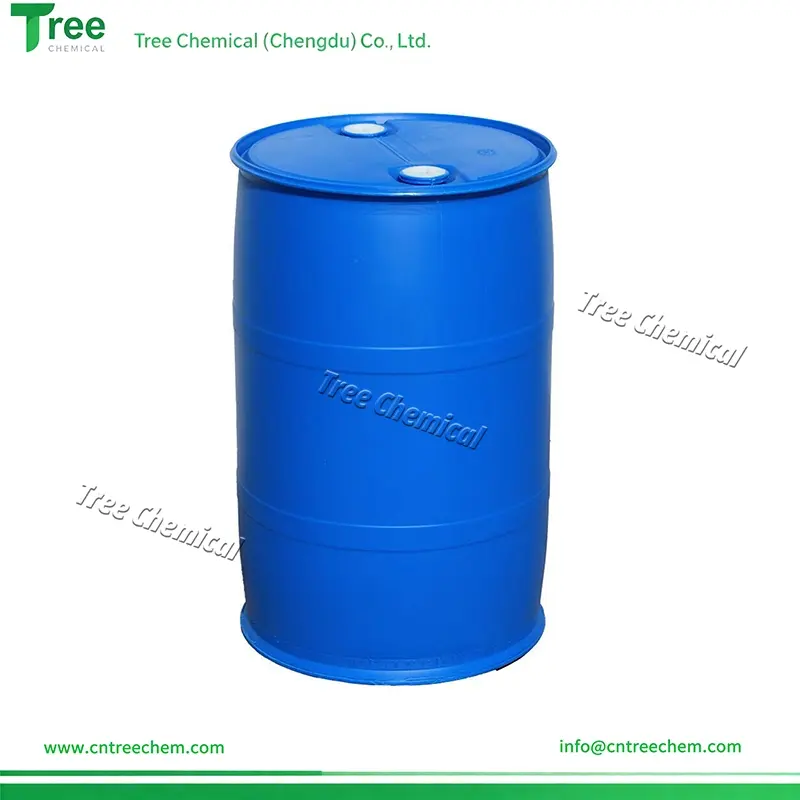
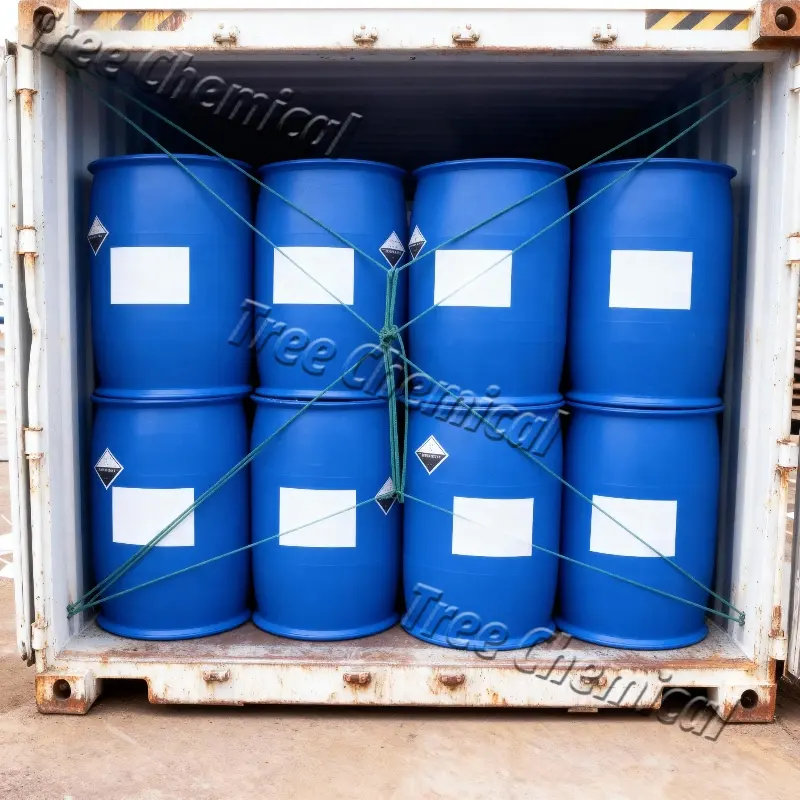
- Packaging: 25 kg drum
2-Acetylbutyrolactone is a specialty organic intermediate widely used in pharmaceutical synthesis and fine chemical manufacturing. Due to its reactive lactone structure and stable chemical performance, it serves as an important building block in the preparation of various pharmaceutical intermediates and advanced organic compounds.
Tree Chem supplies 2-Acetylbutyrolactone (CAS 517-23-7) for pharmaceutical intermediate manufacturers and fine chemical producers requiring controlled purity, low moisture content, and consistent batch quality. Different grades are available to meet various synthesis requirements, with quality specifications designed around practical production needs rather than laboratory testing only. For technical information or purchasing inquiries, please contact info@cntreechem.com.
Specification
Basic Information
| Item | Specification |
| Product Name | 2-Acetylbutyrolactone |
| Abbreviation | ABL |
| CAS No. | 517-23-7 |
| EINECS No. | 208-235-2 |
| Molecular Formula | C6H8O3 |
| Molecular Weight | 128.13 |
| Synonyms | α-Acetyl-γ-butyrolactone; 2-Acetyl-4-hydroxybutyric acid gamma-lactone; Alpha-Acetobutyrolactone |
Technical Specification
| Test Item | Superior Grade | First Grade | Qualified Grade |
| Purity (wt%) | ≥99.5 | ≥99.0 | ≥98.5 |
| Water (wt%) | ≤0.2 | ≤0.3 | ≤0.5 |
| Color (Hazen) | ≤20 | ≤30 | ≤50 |
| Refractive Index (nD25) | 1.458–1.462 | 1.458–1.462 | 1.458–1.462 |
Key Applications
Pharmaceutical Intermediate Synthesis
- 2-Acetylbutyrolactone is primarily used as a functional intermediate in pharmaceutical synthesis due to its active lactone structure and versatile chemical reactivity. It can participate in further transformation reactions to construct more complex organic molecules, making it valuable in multi-step synthesis routes.
- In pharmaceutical manufacturing, the selection of 2-Acetylbutyrolactone is often related to raw material consistency, impurity profile, and reaction compatibility. Stable purity and controlled moisture content help reduce variations during synthesis and support more predictable process performance.
- For commercial pharmaceutical intermediate production, manufacturers usually evaluate not only assay results but also trace impurities, color characteristics, and batch-to-batch consistency to ensure the raw material meets downstream process requirements.
Fine Chemical and Specialty Organic Synthesis
- Beyond pharmaceutical applications, 2-Acetylbutyrolactone is also used in fine chemical synthesis where a reactive lactone intermediate is required. Its molecular structure provides useful functionality for chemical modification and preparation of specialized organic compounds.
- Fine chemical producers often select ABL when they need an intermediate with balanced chemical stability and sufficient reactivity. Compared with general-purpose organic materials, specialty intermediates require tighter quality management because small differences in composition may influence reaction efficiency and purification procedures.
Research and Process Development Applications
- 2-Acetylbutyrolactone is suitable for research laboratories, custom synthesis organizations, and process development projects exploring new synthetic pathways.
- During early-stage development, chemists typically focus on material purity, moisture control, and reproducibility because these parameters can affect reaction optimization and scale-up evaluation. Different purity grades allow customers to select a specification according to development stage and production requirements.
Raw Material Selection for Pharmaceutical Manufacturers
- For pharmaceutical manufacturers, choosing the right grade of 2-Acetylbutyrolactone is not only a matter of purity percentage. Factors including water content, color value, impurity control, and supplier quality consistency are also important considerations.
- A stable supply of qualified ABL helps manufacturers maintain continuous production and reduce potential adjustments caused by raw material variation.
Applications Where Quality Control Is Critical
- In high-value synthesis processes, raw material quality can directly influence reaction yield, purification workload, and final product consistency. Therefore, pharmaceutical and fine chemical customers generally prefer 2-Acetylbutyrolactone suppliers who can provide clear specifications and stable product performance.
- Tree Chem focuses on supplying 2-Acetylbutyrolactone with controlled quality parameters, supporting customers requiring reliable intermediate materials for pharmaceutical and specialty chemical manufacturing.
Why Pharmaceutical Manufacturers Choose Controlled Grade 2-Acetylbutyrolactone
Purity Control Supports Stable Synthesis
- High purity levels reduce the influence of unwanted components during chemical reactions. For pharmaceutical intermediate production, consistent assay results help manufacturers maintain predictable process conditions.
Moisture Management Improves Process Reliability
- Water content is an important consideration for many organic synthesis processes. Controlled moisture levels help reduce variation between batches and support more stable manufacturing performance.
Color Control for Quality Consistency
- Lower color values are often preferred for specialty chemical applications where appearance and impurity control are important evaluation factors.
Multiple Grades for Different Production Needs
- Not every production process requires the highest specification. Offering different grades allows manufacturers to balance technical requirements and raw material cost according to actual application needs.
How to Select the Right Grade
Selecting the appropriate grade of 2-Acetylbutyrolactone depends on the requirements of the downstream synthesis process.
Superior Grade
Recommended for customers requiring tighter impurity control, lower water content, and improved consistency for sensitive pharmaceutical synthesis.
Typical users:
- Advanced pharmaceutical intermediate manufacturers
- High-purity synthesis projects
- Process development requiring strict raw material control
First Grade
Suitable for most industrial pharmaceutical intermediate applications where balanced quality and cost efficiency are required.
Typical users:
- Commercial synthesis manufacturers
- Fine chemical production lines
- Regular industrial procurement
Qualified Grade
Suitable for applications where standard chemical performance is sufficient and the synthesis process has wider tolerance for specification variation.
Comparison With Similar Lactone Intermediates
| Product | Main Characteristics | Typical Position |
| 2-Acetylbutyrolactone | Reactive lactone intermediate with acetyl functionality | Pharmaceutical and fine chemical synthesis |
| Gamma-Butyrolactone (GBL) | Polar cyclic ester solvent and intermediate | Solvent applications and chemical synthesis |
| Alpha-Angelica Lactone | Unsaturated lactone structure | Flavor, fragrance, and specialty synthesis |
| 2-Pyrrolidone | Nitrogen-containing lactam intermediate | Polymer, pharmaceutical, and specialty chemicals |
Common Purchasing Mistakes
Choosing Only Based on Purity
- A higher assay value does not always guarantee better production performance. Pharmaceutical manufacturers should evaluate purity together with water content, color, and batch consistency.
Ignoring Impurity Control
- For multi-step synthesis processes, trace impurities may influence reaction selectivity, purification difficulty, or final product quality. Reviewing impurity-related specifications before purchasing can reduce production risks.
Selecting the Highest Grade for Every Application
- The highest specification is not always necessary. Selecting a suitable grade based on the actual synthesis route can improve cost efficiency without affecting product performance.
Not Considering Long-Term Batch Consistency
- For pharmaceutical intermediate production, stable quality between different shipments is often more important than a single specification report.
Frequently Asked by Purchasing Engineers
What is the main application of 2-Acetylbutyrolactone?
- 2-Acetylbutyrolactone is mainly used as an intermediate in pharmaceutical synthesis and specialty organic chemical manufacturing.
Which specifications are most important when purchasing ABL?
- Purity, water content, and color are commonly evaluated because they influence synthesis consistency and material quality.
Which grade should pharmaceutical manufacturers choose?
- The suitable grade depends on the sensitivity of the synthesis process. Superior Grade is preferred for stricter impurity control, while First Grade is commonly selected for general industrial production.
How should 2-Acetylbutyrolactone be stored?
- The product should be stored in sealed containers under dry and controlled conditions to maintain quality during storage.
Storage & Handling
- Store in tightly sealed containers in a cool and dry environment.
- Protect from moisture, heat, and direct sunlight.
- Keep containers closed when not in use.
- Avoid contact with incompatible chemicals.
- Handle according to the latest SDS recommendations.
Usage Notice
- 2-Acetylbutyrolactone should be evaluated for compatibility with the intended synthesis process before commercial production.
- Customers should consider purity requirements, moisture sensitivity, and downstream reaction conditions when selecting the appropriate grade.
Packaging
- 25 kg drum
- Customized packaging available according to customer requirements