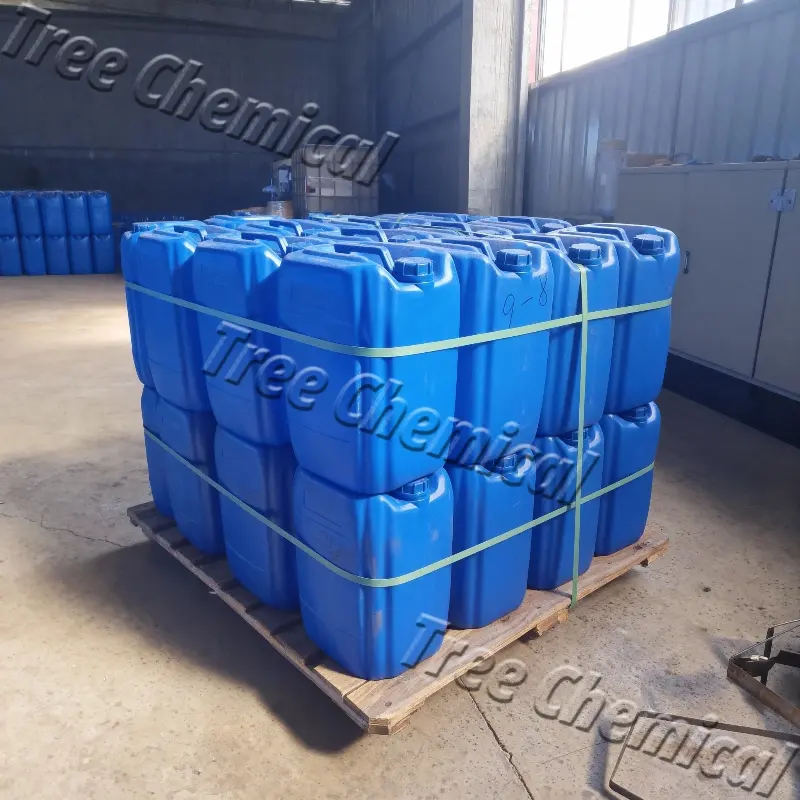
Amino Tris(methylene Phosphonic Acid) ATMP Amino Trimethylene Phosphonic Acid CAS 6419-19-8
- CAS: 6419-19-8
- EINECS No.: 229-146-5
- Molecular Formula: C3H12NO9P3
- Synonyms: Aminotris(methylenephosphonic acid); ATMP
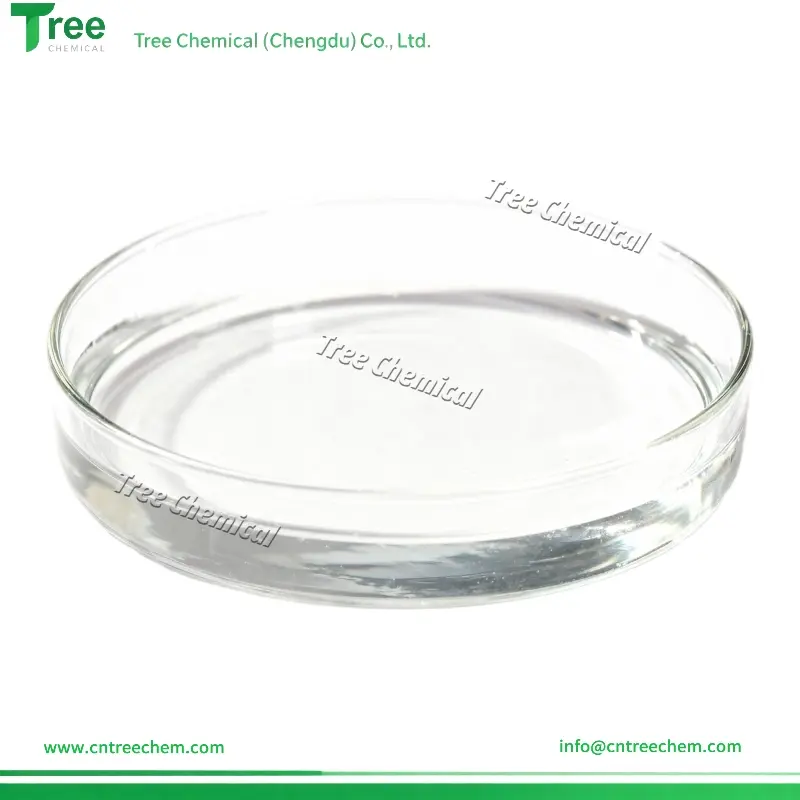
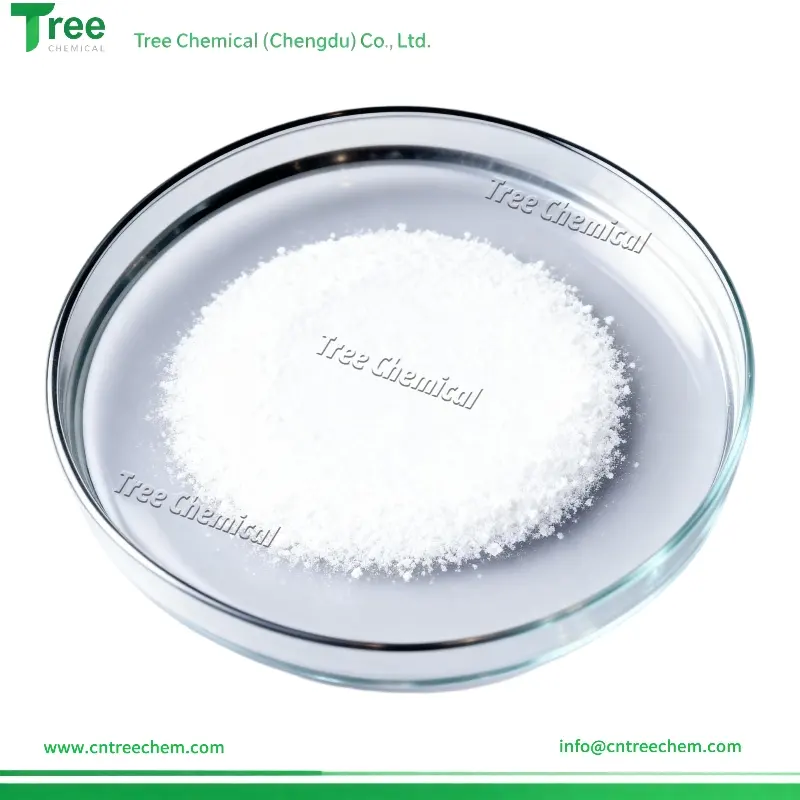
- Grade: Liquid Grade; Solid Grade
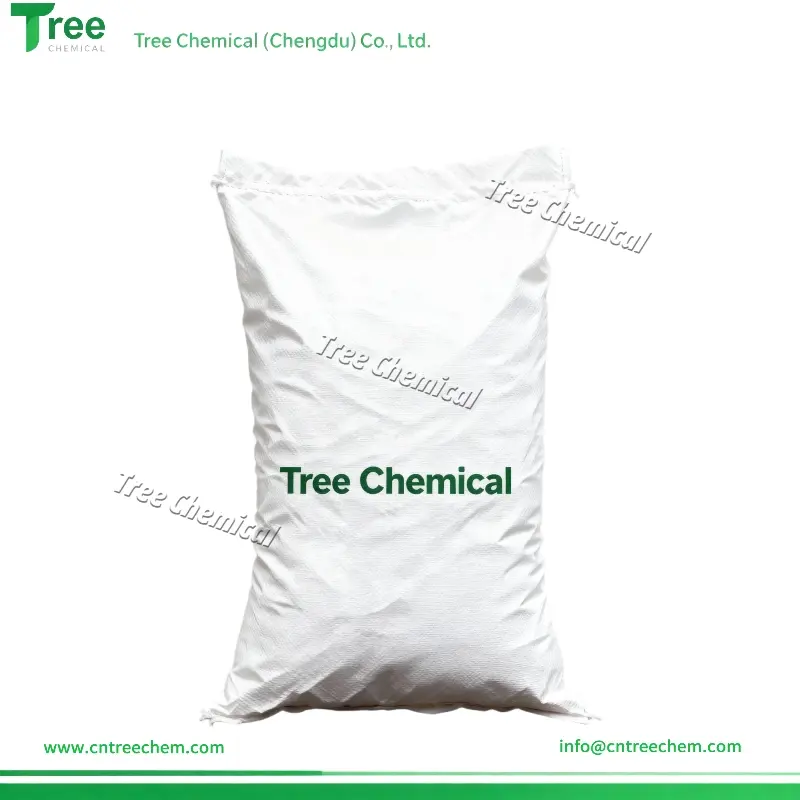
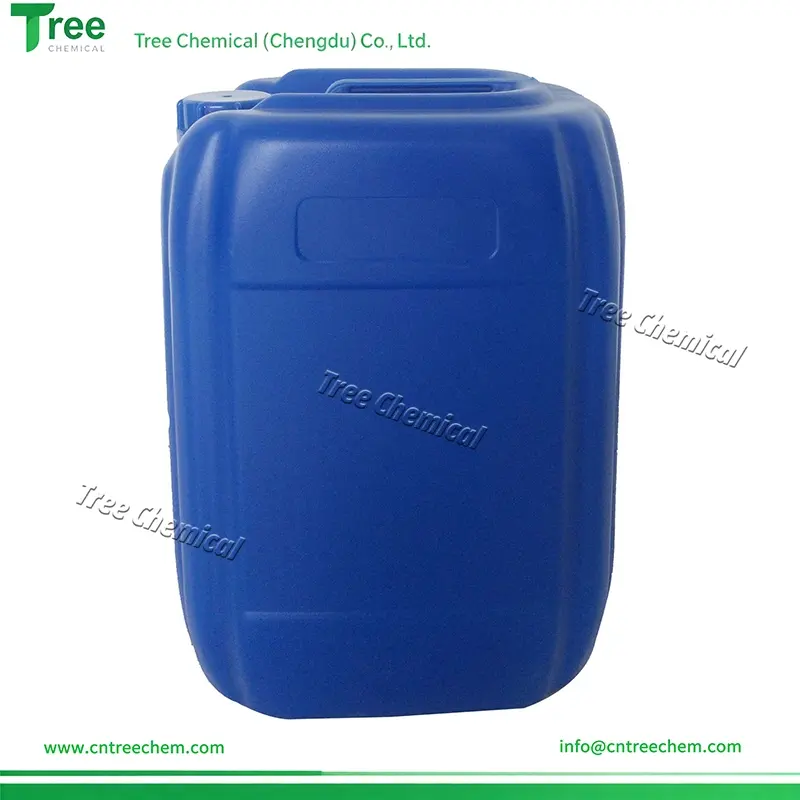
- Packaging: 30 kg plastic drum; 250 kg plastic drum; 25 kg polyethylene-lined woven bag; custom packaging available upon request
Amino tris(methylene phosphonic acid), commonly known as ATMP, is a phosphonate used in industrial water treatment where scale control and metal-ion management are important to system operation. Its main use is in circulating cooling water, either as a functional component in formulated water-treatment programs or as a raw material for compound scale and corrosion inhibitor products. Tree Chem supplies ATMP CAS 6419-19-8 in both liquid and solid grades. For cooling-water customers, we place particular attention on active content, chloride and iron because these figures are often checked before a batch is approved for formulation or plant use.
For ATMP specifications, samples, packaging options or commercial inquiries, contact info@cntreechem.com.
Specification
Basic Information
| Item | Information |
| Product Name | Amino tris(methylene phosphonic acid) |
| Abbreviation | ATMP |
| CAS No. | 6419-19-8 |
| Synonyms | Aminotris(methylenephosphonic acid); Amino Trimethylene Phosphonic Acid; Nitrilotris(methylenephosphonic acid); ATMP |
| Molecular Formula | C3H12NO9P3 |
| Molecular Weight | 299.05 g/mol |
| EINECS No. | 229-146-5 |
| Available Grades | Liquid Grade; Solid Grade |
Technical Specification
| Parameter | Liquid Grade | Solid Grade |
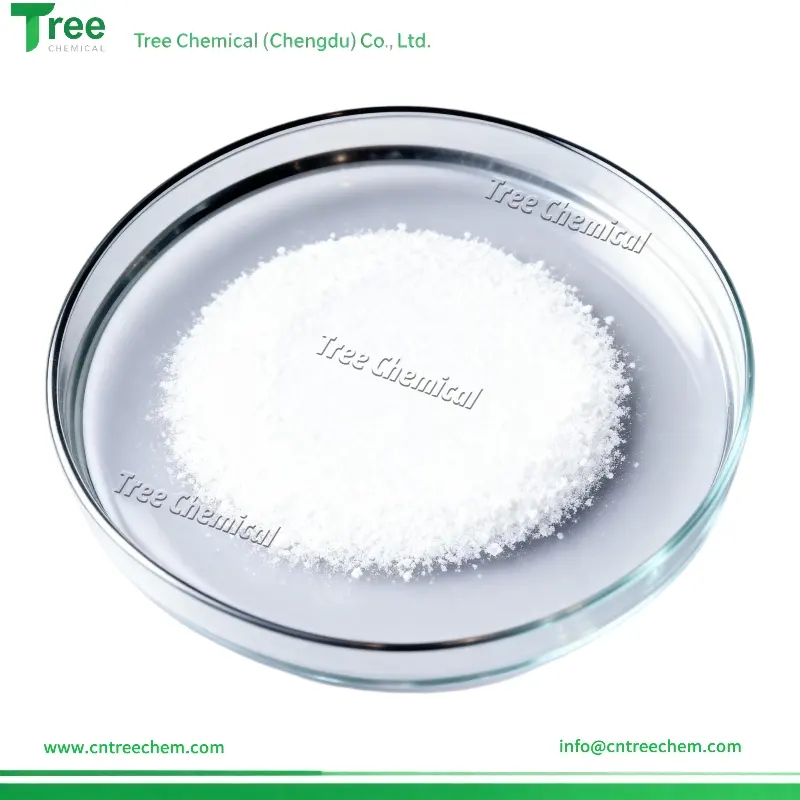
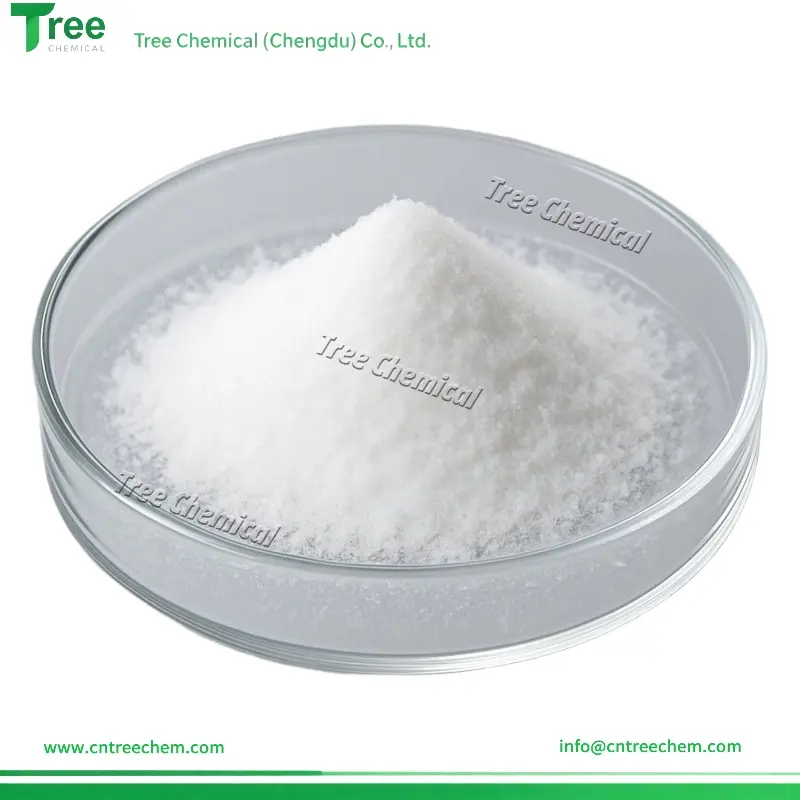
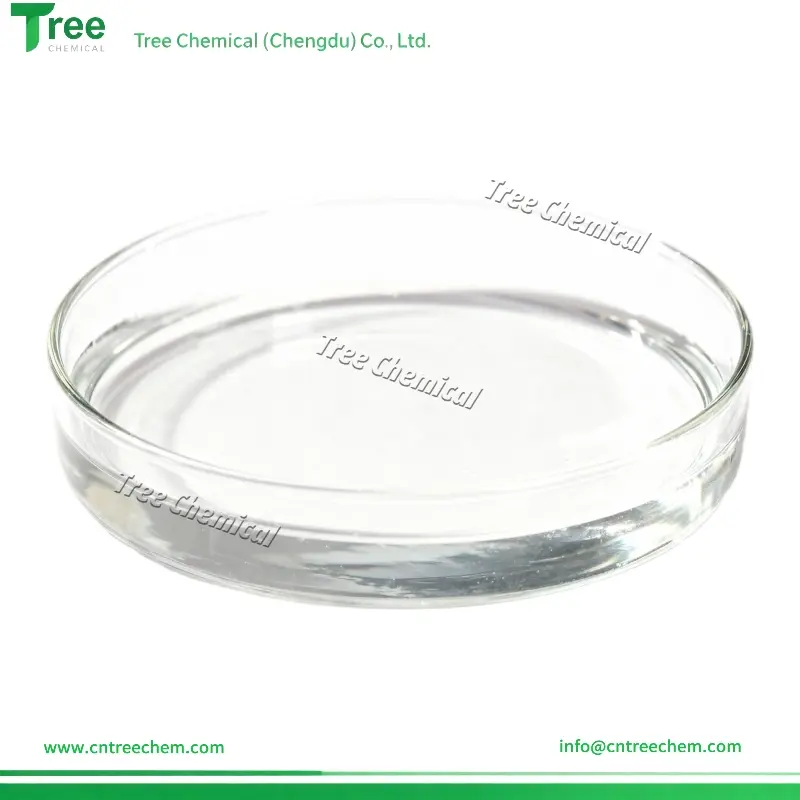
| Appearance | Colorless or slightly yellow transparent liquid | White crystals |
| Active Content (as ATMP), % | ≥50 | ≥95.0 |
| Aminotris(methylene phosphonic acid) Content, % | ≥40 | ≥88.0 |
| Calcium Chelation Capacity (mg CaCO₃/g) | ≥400 | — |
| Total Phosphoric Acid (as PO₄³⁻), % | ≤3.5 | — |
| Orthophosphoric Acid (as PO₄³⁻), % | — | ≤0.8 |
| Chloride (as Cl⁻), % | ≤1.0 | ≤1.0 |
| pH (1% solution) | ≤2.0 | ≤2.0 |
| Density (20°C), g/cm³ | ≥1.30 | — |
| Iron (as Fe³⁺), μg/g | ≤20 | ≤20 |
Key Applications
Industrial Circulating Cooling Water
- Industrial circulating cooling water is one of the main markets for ATMP. As cooling water repeatedly passes through heat exchangers, condensers, pipelines and cooling towers, dissolved minerals become more concentrated. Calcium-containing deposits can gradually form when operating conditions move toward precipitation. Once scale develops on a heat-transfer surface, the problem is not merely visual: deposits can reduce heat-transfer efficiency and make system operation more difficult.
- ATMP is used in these systems because its phosphonate structure can interact with calcium ions and interfere with the formation and growth of mineral deposits. In practical water-treatment programs, ATMP is normally selected as part of the overall formulation according to water hardness, alkalinity, concentration ratio, temperature and the other chemicals already present in the treatment package.
- For a cooling-water chemical manufacturer, consistency between ATMP batches matters. A formulation developed around one raw-material profile should not require unnecessary adjustment every time a new shipment arrives. This is one reason active content is an important purchasing specification rather than simply a number shown on the COA.
Scale and Corrosion Inhibitor Formulations
- ATMP is commonly used as a raw material in formulated scale and corrosion inhibitor products. Formulators may combine it with other phosphonates, polymers and treatment components to build a program around the actual water chemistry of the customer.
- The role of ATMP in such a formulation depends on the rest of the package. It may contribute to calcium-scale control and metal-ion management while complementary ingredients address dispersion, deposit control or other aspects of the water-treatment program.
- For formulation companies, the advantage of purchasing a clearly specified ATMP grade is straightforward: the active input is easier to calculate. Variations in assay, chloride or iron can complicate formulation control even when the product is still sold under the same ATMP name.
High-Hardness Water Treatment
- Cooling systems operating with relatively high calcium hardness require careful scale management. ATMP’s calcium chelation capacity makes it useful when formulators are designing treatment programs around calcium-containing water.
- The liquid grade in this specification has a calcium chelation capacity of at least 400 mg CaCO₃/g. This parameter gives formulators an additional way to assess the material beyond active-content percentage.
- Actual treatment dosage, however, should be determined from the water analysis and operating conditions. ATMP should not be selected from a fixed dosage figure without considering the complete system.
Industrial Water-Treatment Blending
- ATMP liquid is convenient for water-treatment manufacturers operating liquid blending lines because it can be metered directly into many aqueous formulations. This can simplify handling when the finished product is also supplied as a liquid concentrate.
- Solid ATMP serves a different purchasing need. Its higher active content reduces the amount of water being transported with the product and can be useful for customers who prefer concentrated raw materials, manufacture dry products, or have their own dissolution and blending arrangements.
- The choice between liquid and solid ATMP therefore depends on more than price per kilogram. Active-content basis, freight, storage, handling equipment and formulation method should all be considered.
What Matters When Buying ATMP for Cooling Water Treatment
Active Content
- For most industrial buyers, active content is the first figure to check.
Tree Chem’s specification provides:
ATMP Liquid: ≥50% active content
ATMP Solid: ≥95.0% active content
- The difference is important when comparing quotations. A liquid product and a solid product should not be compared only by the price of one metric ton. Buyers should consider the amount of active ATMP actually being purchased and how the material will be used in their plant.
- Active-content consistency also helps formulators maintain predictable addition ratios from batch to batch.
Chloride
- Chloride is sometimes overlooked when buyers focus mainly on ATMP assay. For circulating-water applications, however, the chloride introduced by treatment chemicals can matter because the complete ionic load of the system needs to be considered.
- Both Tree Chem ATMP liquid and solid grades specify:
Chloride (as Cl⁻): ≤1.0%
For customers comparing ATMP suppliers, checking the chloride limit on the COA is more useful than assuming products with similar assay values are interchangeable.
Iron
- Iron is another practical purchasing parameter, particularly when the customer wants tighter control over raw-material impurities.
- Tree Chem controls:
Iron (as Fe³⁺): ≤20 μg/g
for both liquid and solid ATMP.
A low, clearly defined iron limit gives formulation customers a more useful basis for incoming-material inspection and supplier comparison.
How to Select the Right ATMP Grade
Choose ATMP Liquid When
- ATMP liquid is usually the more straightforward option for manufacturers producing liquid cooling-water treatment formulations.
- Its ≥50% active content provides a practical balance between concentration and handling. It can be introduced into many liquid blending processes without first requiring a separate solid-dissolution step.
- The liquid grade is also the grade to look at when calcium chelation capacity is an important purchasing parameter, with the supplied specification requiring ≥400 mg CaCO₃/g.
Choose ATMP Solid When
- Solid ATMP is more appropriate when the customer wants higher active material per unit weight or prefers to control dilution at its own facility.
- With ≥95.0% active content, solid ATMP considerably reduces the water carried with the product compared with the liquid grade. This can influence freight calculations, storage requirements and formulation economics.
- The trade-off is that the customer’s plant needs suitable equipment and procedures for handling and dissolving the solid material.
Do Not Choose by Assay Alone
- A higher ATMP percentage does not automatically make solid grade the better commercial choice.
- A liquid formulation plant may save time and handling costs by purchasing ATMP liquid directly. Conversely, a customer transporting material over a long distance may find the higher active-content solid grade attractive.
- The better comparison is therefore:
★ active material cost + freight + storage + handling + formulation requirements
★ rather than product price alone.
ATMP Liquid vs. ATMP Solid
| Comparison | ATMP Liquid | ATMP Solid |
| Physical Form | Colorless or slightly yellow transparent liquid | White crystals |
| Active Content | ≥50% | ≥95.0% |
| Main Purchasing Advantage | Convenient for liquid formulation and dosing | High concentration and lower water content |
| Calcium Chelation Capacity | ≥400 mg CaCO₃/g | — |
| Chloride | ≤1.0% | ≤1.0% |
| Iron | ≤20 μg/g | ≤20 μg/g |
| Typical Buyer | Liquid water-treatment formulators | Concentrated raw-material users and customers with dissolution capability |
| Packaging | 30 kg / 250 kg plastic drums | 25 kg polyethylene-lined woven bags |
ATMP Compared with Other Common Phosphonates
| Product | Typical Position in Water Treatment | When a Formulator May Consider It |
| ATMP | Strong calcium-ion interaction and scale-control component | Circulating cooling-water formulations where calcium scale management is important |
| HEDP | Common phosphonate for scale and corrosion-control formulations | General industrial water-treatment programs requiring a widely used phosphonate component |
| DTPMPA | Multiple phosphonic acid groups and strong complexing characteristics | More demanding scale-control formulations and systems with challenging water chemistry |
| EDTMPA | Phosphonate chelant with strong metal-ion complexing characteristics | Formulations where metal-ion control has a larger role |
These products are not direct one-for-one replacements. Water chemistry, operating temperature, treatment program, formulation compatibility and required dosage should be reviewed before changing from one phosphonate to another.
Common Purchasing Mistakes
Comparing Liquid and Solid ATMP by Ton Price
- A 50% liquid and a 95% solid contain very different amounts of active ATMP. Price comparison should therefore be made on an active-content basis before freight and handling costs are added.
Looking Only at Active Content
- Two products can have similar ATMP assay figures but different impurity profiles. Chloride and iron deserve attention when the material is intended for controlled industrial cooling-water formulations.
Ignoring the Actual Water Chemistry
- An ATMP grade cannot compensate for an incorrectly designed treatment program. Calcium hardness, alkalinity, pH, operating temperature and concentration cycles all affect treatment decisions.
Changing Suppliers Without Checking the COA
- A familiar product name does not guarantee identical specifications. When qualifying a new ATMP source, compare the actual limits for active content, chloride, iron and other relevant parameters rather than relying only on the product name.
Frequently Asked by Water-Treatment Buyers
What is ATMP mainly used for?
- ATMP is mainly used in industrial water treatment, particularly in circulating cooling-water programs and formulated scale-control products. Its ability to interact with calcium and other metal ions makes it useful in systems where mineral deposition needs to be managed.
Is liquid or solid ATMP better for cooling-water formulations?
- Neither form is universally better. Liquid ATMP is convenient for direct liquid blending, while solid ATMP provides much higher active content and reduces the amount of water transported with the material. The customer’s formulation process usually determines the better choice.
Which specifications should I check when buying ATMP?
- For most cooling-water customers, active content, chloride and iron are useful starting points. Depending on the formulation, calcium chelation capacity, pH and phosphoric acid-related parameters may also be relevant.
Why should ATMP price be compared on an active basis?
- Because liquid and solid grades contain different concentrations of active ATMP. Comparing only the price per ton can give a misleading picture of actual raw-material cost.
Can Tree Chem supply both liquid and solid ATMP?
- Yes. Tree Chem supplies ATMP liquid in 30 kg and 250 kg plastic drums and ATMP solid in 25 kg polyethylene-lined woven bags.
Storage & Handling
- Keep ATMP containers tightly closed and protect them from contamination.
- Store in a cool, dry and ventilated area away from incompatible materials.
- Prevent moisture ingress into solid ATMP during storage.
- Use clean, suitable equipment for transfer, dilution and formulation.
- Follow the applicable SDS and plant handling procedures before use.
Usage Notice
- ATMP dosage should be established according to the customer’s water chemistry, operating conditions and complete treatment formulation. Compatibility should be checked before combining ATMP with other water-treatment chemicals.
- For solid ATMP, dissolve under controlled conditions using suitable equipment before introducing it into a liquid formulation. Avoid using contaminated tanks, pumps or transfer lines where trace impurities are a concern.
Packaging
ATMP Liquid
- 30 kg plastic drum
- 250 kg plastic drum
ATMP Solid
- 25 kg polyethylene-lined woven bag
- Custom packaging available upon request