


Quaternary Ammonium Compounds: Powerful Uses in Water Treatment and Disinfection
Release time: 2026-03-30

What Are Quaternary Ammonium Compounds?
Quaternary ammonium compounds—often shortened to QACs or “quats”—are a large family of surface‑active, water‑soluble, cationic chemicals used widely for antimicrobial control and industrial hygiene. In the terminology of the Centers for Disease Control and Prevention (CDC), a “QUAT” (quaternary ammonium compound) is a surface‑active, water‑soluble disinfecting substance whose defining structural feature is a nitrogen atom with four carbon‑containing substituents. This is why the term quaternary ammonium disinfectant is commonly used in industrial procurement and formulation discussions.
In practical microbiology and formulation science, QACs function as cationic surfactants: the permanently positive charge promotes attraction to negatively charged microbial surfaces, while hydrophobic alkyl groups can insert into membranes and destabilize them. Reviews and pesticide-ingredient summaries describe this as a membrane‑disrupting mode of action that can break bacterial membranes and damage the outer coating of certain viruses, leading to leakage of cellular contents and microbial death.
For procurement and SEO, the highest‑intent queries inside the broader keyword “quaternary ammonium compounds” typically focus on two workhorse actives: BKC (benzalkonium chloride / ADBAC) and DDAC—because these families have deep regulatory histories and broad industrial use profiles.
BKC (benzalkonium chloride), also called ADBAC. In United States Environmental Protection Agency (EPA) terminology, common “benzalkonium chloride” actives are often described as alkyl dimethyl benzyl ammonium chloride (ADBAC). EPA’s ADBAC reregistration document lists multiple closely related ADBAC compositions and chain‑length distributions, including common CAS listings such as 68424‑85‑1 and 8001‑54‑5, underscoring that BKC/ADBAC is usually a mixture of homologs rather than a single discrete molecule.
DDAC (didecyl dimethyl ammonium chloride). In EPA’s “Group I” quat cluster, DDAC is identified with CAS 7173‑51‑5 and a C10/C10 (didecyl) chain structure. EPA also reports DDAC physical properties including very low vapor pressure, consistent with the practical reality that common disinfectant quats are effectively non‑volatile under normal conditions (even though spray application can still create droplets).
A buyer‑relevant reality: many commercial formulations use quat blends, not single actives. Guidance from the National Pesticide Information Center (NPIC) notes that disinfectants may contain more than one quat, and real EPA‑registered disinfectant labels often list both DDAC and an alkyl (C12/C14/C16) dimethyl benzyl ammonium chloride as active ingredients.
Why Quaternary Ammonium Compounds Are Widely Used
QACs are popular in industrial disinfectant chemicals and water‑treatment biocide programs because they combine repeatable antimicrobial performance with formulation practicality.
One marker of market maturity is the diversity of end‑use formats and sites. Pesticide education/regulatory summaries describe quats as being used in multiple product formats (sprays, aerosols, wipes, wettable powders, soluble concentrates, etc.) and across homes, schools, medical offices, industrial sites, and food‑processing environments (when specifically labeled).
From a technical-commercial perspective, QACs are widely used for four reasons.
Broad-spectrum utility for routine control. Government and peer‑reviewed sources describe ADBAC/BKC and DDAC as frequently used antimicrobial actives, including disinfectant, sanitizer, fungicidal, and algicidal roles across numerous industrial and institutional settings.
Low volatility with manageable occupational risks (with important caveats). An open-access hazard assessment develops the case that DDAC/C12–C16 ADBAC are non‑volatile and not readily aerosolized, and that the main hazard concern is local irritation at higher concentrations. Complementary pesticide guidance highlights irritation symptoms and emphasizes ventilation and safe handling to limit exposure during and after use.

Performance can be tuned by chemistry and formulation. “Benzalkonium chloride” is typically treated as a family where alkyl chain lengths can vary; an ecological risk analysis summarizes BAC structures as quaternary ammonium salts with alkyl chains that can range broadly (e.g., C8–C18) and emphasizes chain-length-linked sorption behavior and other properties. This is one reason industrial specs often include chain distribution, not only a product name.
Structured regulatory pathways for biocidal use. In the United States, antimicrobial quat products are regulated as pesticides and must be used according to the EPA-approved label. In EU/EEA contexts, biocidal products are organized into defined product types (including PT2 for “disinfectants and algaecides not intended for direct application to humans or animals”), and an implementation fact sheet from the European Free Trade Association describes Commission Implementing Regulation (EU) 2024/235, which approves ADBAC/BKC (C12‑C16) as an existing active substance for PT2 within the EU biocidal framework.
A realistic industrial discussion also needs to acknowledge boundaries.
Not every microbe is equally susceptible. CDC materials emphasize that bacterial spores have among the highest innate resistance to chemical germicides compared with many vegetative organisms, and healthcare literature describes low-level disinfectants (including many quaternary ammonium compounds) as having limited or no measurable activity against spore-forming bacteria.
Use conditions matter. Proper dwell time, adequate wetting, and pre‑cleaning when heavy soils are present are not optional extras—they are embedded in real label instructions for quat products, including labels for quat blends that specify defined wet contact times on hard, non‑porous surfaces.
Environmental and stewardship questions are real. Environmental reviews link widespread QAC use to wastewater pathways and discuss concerns about selective pressure for tolerance/resistance under sub‑lethal exposure, while also noting fate characteristics such as strong sorption to biosolids/sediment and substantial removal during wastewater treatment.
Data snapshot for sustainability-minded buyers: NPIC summarizes that environmental persistence can vary strongly with conditions. For example, it reports that more than 70% of DDAC broke down in 28 days in oxygenated water, while a flooded river-water study in the same summary reported much longer half-lives depending on oxygen conditions (e.g., 180 days with oxygen vs. 261 days without oxygen). It also reports pH-dependent half-life values for ADBAC in water (e.g., 379 days at pH 9 and about 150–183 days at pH 5 to pH 7 in that dataset) and notes that both ADBAC and DDAC bind tightly to soil and sediment particles—reducing movement into groundwater but shifting attention toward sludge/sediment management and aquatic exposure.
Seven High-Impact Applications in Water Treatment and Disinfection
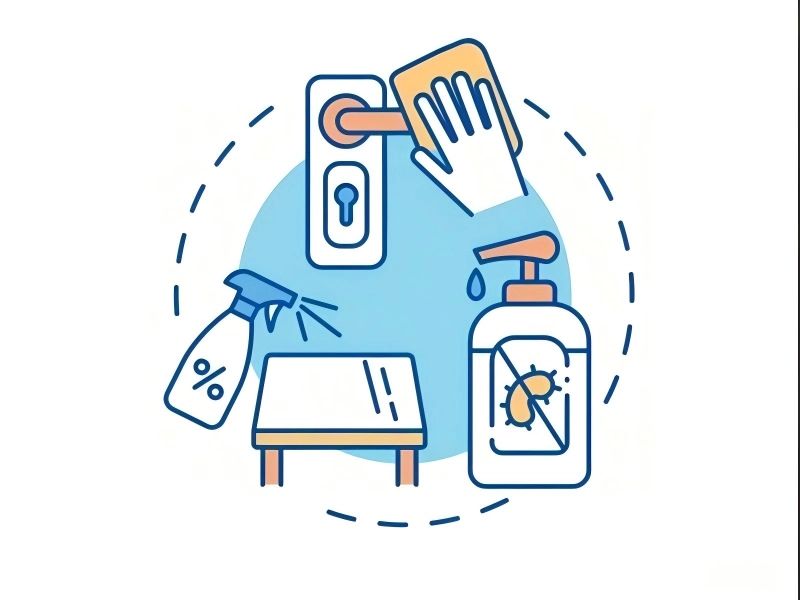
Below are seven high‑value applications where quaternary ammonium compounds—especially BKC (ADBAC) and DDAC—are routinely specified. The goal is not only “traffic,” but relevance for engineers, formulators, and procurement teams evaluating a water treatment biocide or industrial disinfectant chemicals supplier.
Water treatment biocide for recirculating cooling systems. Cooling tower users frequently apply biocides to circulating cooling water to control growth of microorganisms and algae, and industry surveys identify “quats” as a class of non‑oxidizing biocides used in cooling towers (including power plants and refineries) alongside oxidizing programs. EPA reregistration documents include industrial water-system use patterns for both ADBAC and DDAC, and a Canadian regulatory overview likewise lists DDAC use in industrial process fluids including open cooling-water tower systems and recirculating water cooling towers.
Industrial disinfection for facilities and equipment. EPA’s ADBAC Category review describes ADBAC chemicals as FIFRA‑registered antimicrobial actives with germicidal, fungicidal, and algicidal activity, used extensively as bactericides, fungicides, sanitizers, deodorants, and disinfectants in industries such as restaurants, dairy, food, laundry, and medical settings. CDC infection-control materials likewise reference quaternary ammonium compounds in the context of chemical disinfectants for environmental surfaces.
Oilfield water treatment and disposal systems. DDAC’s EPA use profile explicitly includes industrial recirculating water systems, cooling water, disposal water, and oil field operations (including oil field water flood or salt‑water disposal). A Canadian regulatory overview similarly identifies DDAC use in industrial process fluids such as oil field water flood or salt‑water disposal systems.
Hard-surface disinfection and sanitation programs. In practice, high‑volume commercial disinfectants often combine multiple quat actives (e.g., DDAC plus ADBAC/BKC). One EPA‑registered label example lists both DDAC (2.54%) and an alkyl (C12/C14/C16) dimethyl benzyl ammonium chloride (1.69%) as active ingredients in a ready‑to‑use dilution, and requires surfaces to remain wet for a defined contact time.
Textile, fabric, and formulation uses (including softeners and detergents). Beyond disinfection, scientific reviews describe QACs as common cationic surfactants used as active components in fabric softeners, detergents, and biocides. This is one reason buyers encounter quats both as “biocide actives” and as functional surfactants in formulated products.
Agriculture, aquatic areas, and algaecide control. DDAC’s EPA registration profile includes aquatic areas (e.g., greenhouses/nurseries and public-access landscapes) and agricultural premises/equipment. Complementary pesticide guidance describes some quat products being used in industrial water systems to prevent the growth of algae and other organisms, which is consistent with the “disinfectants + algaecides” positioning seen for some quat categories in regulatory use profiles.
Food processing sanitation (label-driven, compliance-critical). EPA reregistration materials note that DDAC use on food contact surfaces can lead to residues via migration from treated surfaces, which is why the agency assesses dietary exposure assumptions for sanitization/disinfection uses. NPIC guidance also stresses that quat products should only be used on food-contact surfaces if the label allows it, and that potable-water rinsing may be required.
Key Products: BKC vs DDAC
When buyers compare benzalkonium chloride (BKC/ADBAC) and DDAC biocide, a useful frame is that both are QACs used broadly, but they differ in molecular architecture and in how they typically appear in regulatory use profiles and commercial blends.
| Product | Regulatory/common identifier | What makes it distinctive | High-value applications (examples) |
| BKC / ADBAC | “Alkyl dimethyl benzyl ammonium chloride”; common CAS listings include 68424‑85‑1 and 8001‑54‑5 with defined chain-length distributions | Often treated as a family of homologs (C12–C16 distributions are common); widely used across disinfectant/sanitizer biocide programs | Surface disinfectants; institutional hygiene; some food-area sanitation (label dependent); industrial process-water uses and recirculating water contexts in registered use patterns |
| DDAC | Didecyl dimethyl ammonium chloride; CAS 7173‑51‑5; C10/C10 dialkyl structure in EPA’s cluster table | Dialkyl structure; very low vapor pressure reported in EPA documentation; broad biocidal labeling includes algaecide/sanitizer/disinfectant roles | Industrial processes and water systems (cooling water, oil field operations, disposal water); hard-surface disinfection; agricultural premises/equipment uses (per registrations) |
Two buyer‑relevant observations emerge from publicly available documentation.
First, blends are normal. NPIC notes that disinfectants may contain more than one quat, and real labels show DDAC+ADBAC combinations combined with specific contact-time requirements. For procurement, the implication is simple: customers often source BKC and DDAC “together,” not only individually.
Second, water‑system buyers increasingly care about downstream fate and environmental management. Peer‑reviewed environmental fate discussions emphasize strong sorption to wastewater biosolids/sediment and substantial removal during wastewater treatment, while pesticide guidance provides additional context on persistence and aquatic-toxicity considerations for ADBAC/DDAC categories.
How to Choose the Right Quaternary Ammonium Compound and Avoid Common Buying Mistakes
Selecting a quaternary ammonium compound is not only about choosing a name (BKC vs DDAC). It is about matching an active ingredient—and often a formulation strategy—to a specific scenario.
A practical selection workflow used by many industrial buyers looks like this.
Define the application category first. Cooling‑water control, oilfield injection/disposal, hard-surface disinfection, and food‑area sanitation are different worlds. EPA and Canadian regulatory documents for DDAC and ADBAC list distinct use sites across industrial processes/water systems, public access premises, and food-contact sanitization. Start by matching your intended use site to the active ingredient’s documented use profile (and to your customer’s regulatory context).
Define the control target: bacteria, fungi, algae, or mixed biofilm. DDAC’s EPA profile lists multiple biocidal roles (e.g., algaecide, bacteriocide, fungicide/fungistat, disinfectant, sanitizer). This aligns with why buyers look for quats when they need a single active family capable of addressing multiple organism types, particularly in routine control programs.
Account for the real operating matrix. Conditions such as pH, hardness, and soils can influence efficacy. CDC guidance notes that pH can influence antimicrobial activity (including for quaternary ammonium compounds), and classic public‑health research documents that bicarbonates/sulfates/chlorides of calcium and magnesium in water can interfere with the germicidal action of quats. For industrial water treatment, this translates into a procurement rule: ask for compatibility guidance for your makeup water and additives, and validate in your own system trials.
Treat label/authorization as part of performance. For food processing sanitation and other compliance-sensitive areas, select products authorized for the intended surface category and follow label conditions such as contact time and rinsing steps. EPA’s DDAC reregistration document explains why residues and migration assumptions are assessed for food‑contact surface uses, and NPIC guidance instructs that quats should only be used on food-contact surfaces if stated on the label and that rinsing with drinkable water may be required.
Common buying mistakes (and why they cost money) are predictable.
Buying by price per kilogram instead of cost per treated ton of water (or per square meter of surface). In cooling-water systems, the “true cost” depends on program design, adsorption losses, discharge constraints, and the need to maintain effective control over time—not only on drum price. Industrial surveys emphasize that selection depends on cost, the chemistry of the water being treated, and the organisms that need to be controlled.
Ignoring active-content reality and chain distribution. Regulatory tables show that “ADBAC/BKC” identity includes defined chain-length distributions and multiple CAS listings. That is a reminder to specify what you mean by “BKC” (distribution, active content, solvent system), rather than assuming all BKC is interchangeable.
Skipping environmental and safety diligence. Guidance documents describe irritation risks and exposure-management steps, and environmental reviews highlight aquatic toxicity concerns, wastewater pathways, and solid-phase sorption. For industrial buyers, this becomes a documentation checklist: SDS, COA, transport classification, and—when needed—environmental fate/eco-tox context for downstream permitting decisions.
Why Work with a Professional Manufacturer and Quaternary Ammonium Supplier
In B2B markets, customers do not only buy “a chemical”—they buy repeatability, documentation, and risk control. This is especially true for a quaternary ammonium supplier serving water treatment, oilfield, industrial cleaning, and food-area sanitation clients.
Three supplier capabilities consistently matter.
Quality consistency. Regulators treat chain distribution, identity, and use pattern as meaningful. A professional biocide supplier should provide consistent specifications (active content, chain distribution where relevant, impurities, stability) supported by COA and traceability.
Compliance-ready documentation. In the U.S., antimicrobial use is label-driven; in EU/EEA contexts, product-type classifications and active-substance status matter. Even if you are supplying a technical active (not an end-use product), customers still need a documentation package that helps them formulate, register, and ship legally.
Application support. Cooling tower usage surveys note that biocide selection depends on water chemistry and the organisms to be controlled. When buyers are deciding between BKC, DDAC, or blended approaches, informed technical support from the supplier can shorten trial cycles and reduce downstream failure risk.
Tree Chemical can supply benzalkonium chloride (BKC/ADBAC) and DDAC in industrial grades for water treatment, disinfection, and related applications. To request pricing, specifications, or a technical document package (SDS/COA), contact:
For the fastest match between your application and the right grade, include these details in your email: target use (cooling water, oilfield water, surface disinfection, food-area sanitation, etc.); preferred active content and form (solution vs. powder, if applicable); destination country/port; packaging needs; estimated monthly or annual volume; and the documentation you require (SDS, COA, and any country-specific compliance paperwork).
