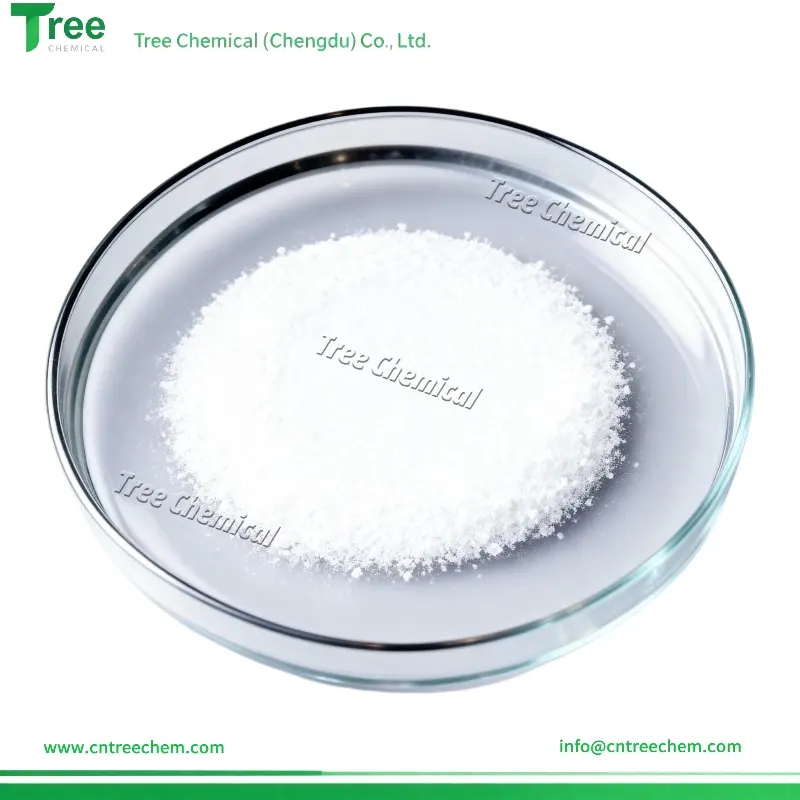
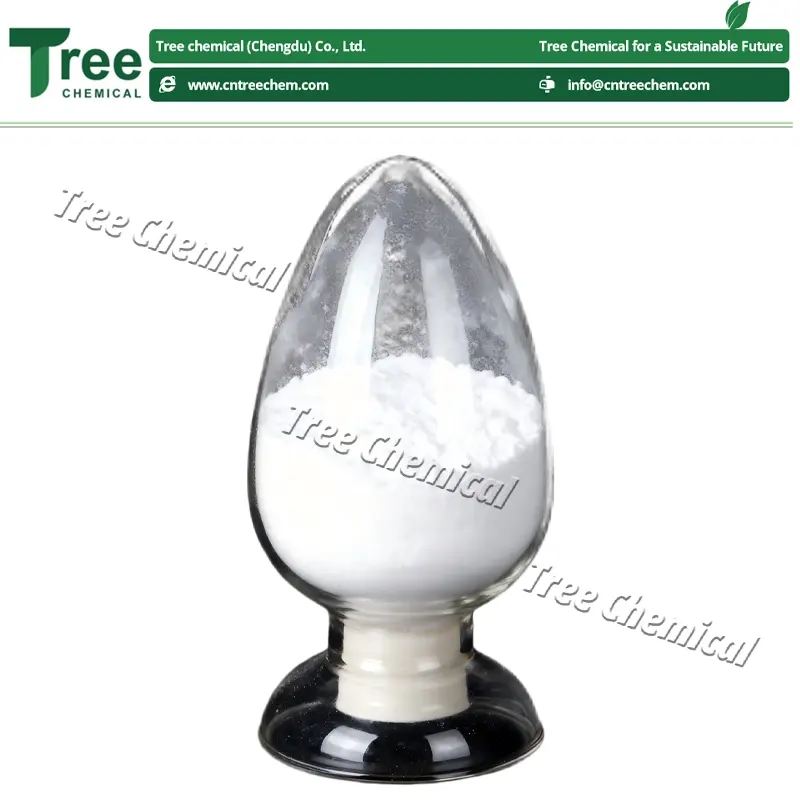

Моноосновной фосфат кальция (МЦФ) Кислый фосфат кальция CAS 7758-23-8
- CAS: 7758-23-8
- Synonyms: Calcium acid phosphate; Calcium dihydrogen phosphate; MCP
- EINECS No.: 231-837-1
- Molecular Formula: CaH4O8P2
- Grade: Industrial / Feed grade
- Packaging: 50 kg bag
Tree Chem manufacture Calcium Phosphate Monobasic CAS 7758-23-8 for customers looking to buy high-quality phosphate products used in fertilizer, feed, and industrial applications. The product is produced under strict quality control to ensure stable phosphorus content and excellent performance. Contact info@cntreechem.com.
Calcium Phosphate Monobasic is highly valued for its superior solubility and bioavailability of phosphorus. It is widely applied as a key raw material in compound fertilizers and animal feed additives, where efficient nutrient absorption and stability are required.
Спецификация
Основная информация
| Элемент | Ценить |
| Название продукта | Calcium Phosphate Monobasic |
| Синонимы | Calcium acid phosphate; Calcium dihydrogen phosphate; Monocalcium phosphate; MCP |
| CAS | 7758-23-8 |
| EINECS | 231-837-1 |
| Молекулярная формула | CaH4O8P2 |
| Молекулярный вес | 234.05 |
Технические характеристики
| Параметр | Стандарт |
| Phosphorus (P) | ≥22.0% |
| Soluble Phosphorus in Citric Acid (2%) | ≥96% |
| Water Soluble Phosphorus | ≥80% |
| Calcium (Ca) | ≥13.0% |
| Fluorine (F) | ≤0.18% |
| Мышьяк (А) | ≤20 ppm |
| Свинец (Pb) | ≤30 ppm |
| Cadmium (Cd) | ≤10 ppm |
| Fineness (20–150 mesh) | ≥90% |
Приложения
Food Industry: Multifunctional Acidulant, Leavening Acid, and Mineral Fortifier
- Calcium dihydrogen phosphate is widely used in the food industry because it combines acidic reaction behavior with calcium and phosphorus nutritional value. In food systems, it is positioned as an acid regulator, leavening component, mineral fortifier, stabilizer, moisture-retention aid, coagulant, and anti-caking agent, which makes it much more than a single-function phosphate additive.
- In bakery applications, calcium dihydrogen phosphate is especially important because it reacts with sodium bicarbonate to release carbon dioxide during mixing and baking. This reaction supports dough expansion, improves crumb structure, and helps create the light texture expected in cakes, biscuits, breads, and chemical-leavened products. Its acidic character also helps balance formulation pH and can improve product flavor and processing stability.
- Beyond leavening, calcium dihydrogen phosphate is used as a nutritional calcium and phosphorus source in formulated foods. Because it contributes minerals while also participating in functional processing, it is attractive in food products that need both performance and nutritional positioning. This dual role is especially relevant in products where mineral fortification must be integrated without adding a separate fortifier system.
- It also plays a useful role in moisture management and stability. In processed food systems, the compound can help improve texture, reduce certain quality defects linked to formulation imbalance, and support more consistent finished-product performance during storage and distribution.
Bakery Products: Baking Powders, Cakes, Biscuits, and Flour Applications
- In bakery systems, calcium dihydrogen phosphate is one of the classic acidic components used in baking powder technology. When combined with sodium bicarbonate, it forms a practical acid-base gas-generation system that provides controlled release of carbon dioxide for batter and dough aeration.
- In baking powder formulations, it appears both in double-acting systems and in more traditional acid-leavening blends. This makes it suitable for a wide range of baked products, from cakes that need structured volume development to biscuits and cookies that require controlled expansion and texture uniformity.
- In cake applications, the dosage can be adjusted according to the product style. Lighter cake systems rely on carefully controlled levels to maintain softness and volume, while richer, heavier formulations may use higher additions to ensure sufficient lift and internal structure. This flexibility makes calcium dihydrogen phosphate useful across sponge-style, chiffon-style, and high-fat bakery categories.
- In flour and baked-goods processing, the compound is also used in smaller quantities as a formulation aid where acidity adjustment and mineral contribution are desired. Its compatibility with dry premix systems supports convenient incorporation into commercial baking ingredients and industrial premix products.
Dairy and Milk-Based Products
- In dairy systems, calcium dihydrogen phosphate is used mainly as a calcium fortifier and stabilizer. It helps increase mineral content while also influencing the behavior of dairy proteins, which is particularly important in products where dispersion, emulsion stability, or controlled consistency is required.
- In milk powder and cream-based formulations, it contributes to product stability and mineral enrichment. This is relevant in systems where reconstitution performance, texture, and protein behavior must remain consistent during storage and later use.
- In processed cheese and related dairy products, phosphate functionality is especially valuable because calcium management strongly affects protein interactions and melting behavior. Calcium dihydrogen phosphate can therefore support texture control while also contributing nutritional calcium and phosphorus.
- In dairy beverages and milk-containing systems, the compound is used where sedimentation control, mineral delivery, and stable product appearance are all important. This gives it a practical role in value-added dairy formulations rather than only in simple fortification.
Beverages and Liquid Nutritional Systems
- Calcium dihydrogen phosphate is used in beverages as both an acidity regulator and a mineral fortifier. In these systems, it helps adjust product pH, improve flavor balance, and provide calcium and phosphorus in applications where nutritional positioning matters.
- In soft drinks, functional drinks, and liquid nutritional products, the compound can be used at controlled levels to maintain a suitable acidic environment while also enhancing mineral content. This is especially useful in beverages where taste, stability, and fortification need to be balanced carefully.
- In milk-containing drinks and fortified beverages, it is used to support mineral delivery while maintaining acceptable dispersion and product stability. Because beverage systems are sensitive to precipitation and haze, dosage and formulation compatibility are important, and calcium dihydrogen phosphate is selected when these challenges can be managed within the product design.
- Its application in solid beverages and reconstitutable drink systems is also notable. In these products, it supports mineral fortification and formulation stability while remaining compatible with dry blend manufacturing.
Meat Products, Compound Seasonings, and Convenience Foods
- In processed meat products, calcium dihydrogen phosphate is used as a quality improver and mineral fortifier. It can help with moisture-related performance, texture support, and improvement of final product quality in prepared and processed meat systems.
- Its role becomes especially useful when meat formulations require better water retention, improved texture stability, and a more balanced mineral profile. In practical processing, these properties contribute to more consistent product yield and eating quality.
- In compound seasonings and dry flavor systems, calcium dihydrogen phosphate is used as an anti-caking and nutritional component. It helps maintain free-flowing behavior in powdered blends while also allowing calcium fortification in the final product.
- In convenience foods and intermediate food ingredients, it contributes to stability, processing performance, and nutritional positioning. This broadens its use from direct foods into seasoning systems, dry mixes, and supporting ingredients for larger food-manufacturing chains.
Feed Industry: Highly Available Phosphorus and Calcium Source
- In feed applications, calcium dihydrogen phosphate is one of the most important mineral feed additives because it provides a highly available source of both phosphorus and calcium. Its main value lies in the very high utilization of its phosphorus fraction, especially in monogastric animals that cannot efficiently access bound phosphorus from plant materials.
- Compared with many other inorganic phosphorus sources, calcium dihydrogen phosphate offers exceptionally high water-soluble phosphorus and strong digestibility. This makes it especially useful in high-performance feed formulations where phosphorus efficiency directly affects bone development, growth, feed conversion, and overall animal productivity.
- Its calcium-to-phosphorus balance also makes it a useful formulation tool for building more precise mineral nutrition programs. Because both elements are essential for skeletal development, metabolic function, and reproductive performance, the compound is particularly valuable where accurate dietary balancing is required.
- Another advantage is that it does not contain phytate-bound phosphorus. This reduces the nutritional limitations associated with plant phosphorus and can improve broader mineral utilization in feed systems.
Swine Feed Applications
- In pig feed, calcium dihydrogen phosphate is especially important for piglets, growing pigs, finishing pigs, and breeding sows. In piglets, it is used because rapidly growing animals need highly digestible phosphorus and calcium to support bone development and avoid deficiency-related problems.
- In grower and finisher diets, the compound supports skeletal strength and feed conversion while helping maintain growth performance. Its efficient phosphorus utilization is valuable in commercial formulations where productivity and cost efficiency must both be considered.
- For breeding and lactating sows, calcium dihydrogen phosphate is even more critical because mineral demand rises significantly during late gestation and lactation. In these situations, it helps support fetal development, milk production, and prevention of mineral-deficiency problems linked to reproductive stress.
- Its use in swine feed is therefore not simply nutritional supplementation, but part of a broader strategy for life-stage-specific mineral management.
Poultry Feed Applications
- In poultry feed, calcium dihydrogen phosphate is considered a preferred phosphorus source for broilers and layers because of its high digestibility and balanced calcium contribution. In broilers, it supports fast skeletal growth and helps maintain leg strength and feed efficiency during rapid weight gain.
- In laying hens, it contributes to mineral support for continued production, eggshell quality, and bone integrity. Since egg production places strong demands on calcium and phosphorus metabolism, the use of a highly available mineral source is especially important in layer diets.
- In waterfowl and other poultry species, the same nutritional logic applies, with careful attention to overall calcium-phosphorus balance to prevent bone and leg disorders. This makes calcium dihydrogen phosphate a flexible mineral ingredient for a wide range of poultry feed systems.
- Because poultry performance responds strongly to mineral balance, the compound is valued both for productivity and for structural health outcomes.
Aquaculture Feed and Water-Application Uses
- Aquaculture is one of the most important application areas for calcium dihydrogen phosphate because aquatic animals often depend heavily on water-soluble mineral sources in formulated feed. The compound’s high water-soluble phosphorus content makes it especially useful in fish, shrimp, crab, and specialty aquatic feed systems.
- In conventional fish and shrimp feeds, it is used to support skeletal development, shell formation, growth, and feed efficiency. In shrimp and crab systems, it is especially valued during molting and shell-hardening stages, where mineral support is critical for survival and growth quality.
- In specialty aquaculture feeds for species such as catfish, perch, softshell turtle, eel, and other high-value aquatic animals, calcium dihydrogen phosphate is used not only for basic mineral supply but also for anti-stress support and shell or bone strengthening. This makes it relevant in both intensive and high-performance aquaculture nutrition programs.
- The compound is also used directly in pond or water applications. In these situations, it can be applied to supplement calcium and phosphorus in the water body, support algae growth in nutrient-poor ponds, improve water quality balance, and assist shell-forming species during critical physiological stages.
- This dual role in both feed and direct water management makes calcium dihydrogen phosphate especially versatile in aquaculture.
Agriculture: Fertilizer and Crop Nutrition
- In agriculture, calcium dihydrogen phosphate is used as an efficient phosphorus fertilizer and calcium source. It works by releasing plant-available phosphate and calcium ions into the soil solution, making it particularly useful in phosphorus-deficient soils and crop systems with high phosphorus demand.
- Its agronomic value lies in promoting root development, improving nutrient uptake, increasing crop yield, and enhancing crop quality. Phosphorus is especially important in early growth stages, so calcium dihydrogen phosphate is often positioned as a fertilizer component that supports stronger establishment and more vigorous development.
- It is particularly suitable for crops that respond strongly to phosphorus, such as oilseed crops, legumes, fruits, and many vegetable systems. In these crops, better phosphorus nutrition can improve flowering, fruit set, seed development, and final harvest quality.
- The calcium contribution is also important because calcium supports cell-wall development, stress tolerance, and overall plant structural integrity. This gives the compound a broader role than a simple phosphorus fertilizer alone.
Agricultural Application Methods: Basal Fertilizer, Topdressing, and Foliar Support
- Calcium dihydrogen phosphate can be used as a basal fertilizer, topdressing material, or foliar-support input depending on crop needs and field conditions. As a basal fertilizer, it is placed near the root zone or incorporated into the soil to provide early phosphorus availability and improve root establishment.
- In topdressing or side-placement applications, it is used to supply additional phosphorus during key growth stages. Proper placement near active roots is important because phosphorus mobility in soil is limited, and close placement improves uptake efficiency.
- In foliar-support strategies and emergency correction programs, phosphorus-containing nutrient solutions are used when deficiency symptoms or critical developmental stages require rapid nutritional support. In these contexts, calcium dihydrogen phosphate is part of a broader crop-nutrition strategy focused on targeted phosphorus and calcium delivery.
- Its use may vary by crop type, soil condition, and growth stage, but the consistent goal is improving nutrient availability, crop performance, and stress resistance.
Industrial and Other Applications
- Beyond food, feed, and agriculture, calcium dihydrogen phosphate also has industrial uses where phosphate chemistry, acidity, and mineral functionality are valuable. Industrial-grade material is used in applications where purity requirements are less strict but consistent phosphate performance is needed.
- Its acidic phosphate character makes it relevant in formulation and process systems where controlled mineral acidity is useful. The exact industrial role depends on purity grade, particle size, and formulation compatibility.
- Because different grades are available—including industrial, feed, food, and higher-purity types—the compound can be selected according to application sensitivity, impurity limits, and end-use regulations.
Quality Positioning and Application-Based Grade Selection
- Calcium dihydrogen phosphate is used in different grades according to market needs. Food-grade material is selected where safety, purity, and heavy-metal control are essential, especially in direct food contact or nutritional uses.
- Feed-grade material is chosen for animal nutrition, where phosphorus availability, calcium content, particle size, fluorine control, and moisture management are especially important. In feed markets, digestibility and mineral consistency are key quality drivers.
- Industrial-grade material is used where performance matters more than ultra-high purity, such as some non-food and non-feed applications. Higher-purity grades may also be used in specialized technical and pharmaceutical contexts where impurity control is critical.
- This grade differentiation is important because it directly affects how the product is formulated, regulated, and positioned in downstream markets.
Меры безопасности, обращения и хранения.
- Calcium dihydrogen phosphate should be handled with standard industrial hygiene controls. Although it is not among the most hazardous phosphate materials, powder handling can cause irritation to the eyes, skin, and respiratory tract if exposure is not controlled.
- Because it can absorb moisture and may cake during storage, sealed packaging and dry storage conditions are important for maintaining product quality and flowability. This is particularly relevant for feed and food applications, where uniform dosing and particle behavior matter in production.
- Appropriate PPE, dust control, and orderly housekeeping are recommended during routine use. Storage should focus on cool, dry, well-ventilated conditions, with protection from contamination and moisture ingress.
- Good storage control is not only a safety issue, but also a quality issue, because product moisture and caking can directly affect handling, mixing, and formulation accuracy.
Хранение и обработка
- Store in sealed containers in a dry and ventilated area
- Avoid exposure to moisture and direct sunlight
- Keep away from incompatible substances such as strong acids
- Maintain clean and dry handling equipment
- Use proper grounding measures to avoid static buildup
Уведомление об использовании
- Use Calcium Phosphate Monobasic according to application-specific guidelines.
- Avoid inhalation of dust and direct contact with skin and eyes.
- Appropriate personal protective equipment should be used during handling and processing.
- A baking powder formulation can use calcium dihydrogen phosphate at about 0.8% with sodium acid pyrophosphate, sodium bicarbonate, and starch, where calcium dihydrogen phosphate functions as the acidic leavening component that reacts to release carbon dioxide and produce volume in baked products.
- A traditional chemical leavening formulation can use sodium bicarbonate, calcium carbonate, calcium dihydrogen phosphate, and sodium acid pyrophosphate in a dry premix, where calcium dihydrogen phosphate functions as the acid source controlling gas release and texture development.
- A cake formulation can use calcium dihydrogen phosphate at about 0.5–2.0% depending on cake type, where calcium dihydrogen phosphate functions as the leavening acid and pH-adjusting mineral component that supports volume and crumb structure.
- A dairy fortification formulation can use calcium dihydrogen phosphate at about 0.1–0.5% in milk-based products, where calcium dihydrogen phosphate functions as a calcium-phosphorus fortifier and stabilizing aid.
- A beverage fortification formulation can use calcium dihydrogen phosphate at about 0.01–0.1% in beverage systems, where calcium dihydrogen phosphate functions as an acidity regulator and mineral-fortification component.
- A meat-product formulation can use calcium dihydrogen phosphate at controlled dosage in processed meat systems, where calcium dihydrogen phosphate functions as a quality improver and mineral fortifier supporting water retention and texture performance.
- A compound seasoning formulation can use calcium dihydrogen phosphate at about 0.2–0.5% in dry seasoning blends, where calcium dihydrogen phosphate functions as an anti-caking and nutritional-enhancement component.
- A piglet feed formulation can use calcium dihydrogen phosphate at about 0.8–1.5% of the total diet, where calcium dihydrogen phosphate functions as the highly available phosphorus and calcium source supporting bone development and growth.
- A grower-finisher pig feed formulation can use calcium dihydrogen phosphate at about 1.0–2.0%, where calcium dihydrogen phosphate functions as the mineral-feed additive that improves phosphorus nutrition and feed conversion.
- A sow feed formulation can use calcium dihydrogen phosphate at about 1.5–2.5%, where calcium dihydrogen phosphate functions as the high-availability mineral source supporting gestation, lactation, and skeletal stability.
- A poultry feed formulation can use calcium dihydrogen phosphate at about 0.8–1.8% in broiler or layer diets, where calcium dihydrogen phosphate functions as the preferred phosphorus source improving bone strength, growth, and laying performance.
- A general aquaculture feed formulation can use calcium dihydrogen phosphate at about 1–2% of total feed, where calcium dihydrogen phosphate functions as the water-soluble mineral source supporting growth, bone formation, and feed efficiency.
- A shrimp or crab molting-stage feed formulation can use calcium dihydrogen phosphate at about 2–3%, where calcium dihydrogen phosphate functions as the calcium-phosphorus supplement supporting shell formation and rapid hardening.
- A special aquatic feed formulation can use calcium dihydrogen phosphate at about 1–3% with vitamins and stress-support additives, where calcium dihydrogen phosphate functions as the mineral component improving growth, stress resistance, and skeletal or shell quality.
- A pond-application formulation can use calcium dihydrogen phosphate at approximately 150–300 g per mu·meter of water depending on purpose, where calcium dihydrogen phosphate functions as the direct calcium-phosphorus supplement for water quality support, shell formation, and pond fertility improvement.
- A basal fertilizer formulation can use calcium dihydrogen phosphate at about 10–20 kg per mu with optional organic fertilizer blending, where calcium dihydrogen phosphate functions as the readily available phosphorus-calcium fertilizer that promotes root development and early crop vigor.
- A topdressing formulation can use calcium dihydrogen phosphate at about 5–10 kg per mu applied near the root zone, where calcium dihydrogen phosphate functions as the supplemental phosphorus source improving continued crop growth and nutrient balance.
- A crop-nutrition support formulation can use calcium dihydrogen phosphate in crop-specific field programs for grains, vegetables, fruits, and economic crops, where calcium dihydrogen phosphate functions as the phosphorus-calcium nutrient input improving yield, quality, and stress resistance.
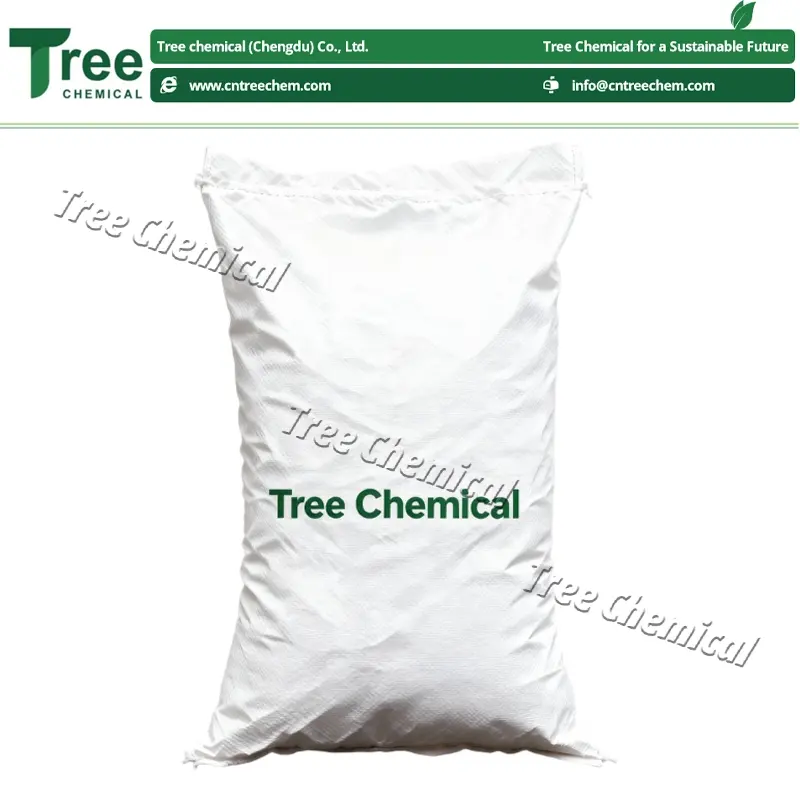
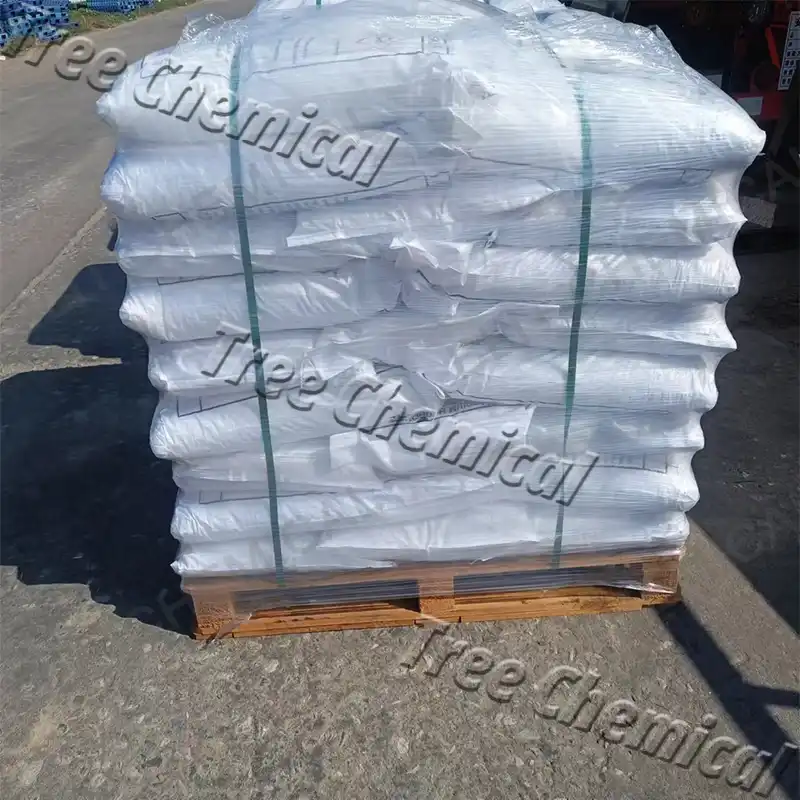
Упаковка
- Внутренняя упаковка: двухслойные пакеты, выложенные полиэтиленовой пленкой.
- Внешняя упаковка: пластиковые тканые мешки.
- Вес нетто: 50 kg per bag