


Sourcing Premium Used Cooking Oil (UCO) for Global Biofuel Markets
Release time: 2026-02-06
Table of Contents
In the rapidly evolving energy sector, Used Cooking Oil (UCO) has transitioned from a waste product to a strategic commodity—often referred to as “liquid gold” in the renewable energy market. For biodiesel refineries, HVO (Hydrotreated Vegetable Oil) manufacturers, and industrial lubricant producers, sourcing consistent, high-specification UCO is no longer just about filling tanks; it is about securing the operational efficiency of the entire production line.
The Technical Imperative: Why Specifications Matter
For professional buyers, the value of UCO is determined strictly by its chemical profile. Low-grade oil leads to higher processing costs, catalyst poisoning, and lower fuel yields. Therefore, astute procurement managers focus on three non-negotiable parameters when vetting suppliers:
Free Fatty Acid (FFA) Control
The Free Fatty Acid percentage is the primary indicator of oil quality. While standard market rates often fluctuate, premium feedstock typically maintains an FFA of less than 5%.
- Why it matters: High FFA content requires more intensive pre-treatment (esterification) before transesterification can occur. Sourcing UCO with consistently low FFA allows refineries to skip expensive pre-treatment steps, directly boosting profit margins.
Managing MIU (Moisture, Impurities, Unsaponifiables)
Water and solid particles are the enemies of efficient logistics and refining. A standard industry benchmark seeks a combined MIU of less than 1% to 2%.
- Moisture: Excess water increases shipping weight without adding value and promotes bacterial growth that can spoil the oil during transit.
- Impurities: Solids must be filtered out. High impurity levels suggest poor filtration at the collection source.
- Unsaponifiables: These are compounds that cannot be converted into fuel, essentially acting as “dead weight” in the reactor.
Iodine Value (IV)
For buyers in colder climates (such as Northern Europe or Canada), the Iodine Value is crucial as it correlates with the cold filter plugging point (CFPP) of the final biodiesel. A stable IV ensures the end product remains viable across various temperature ranges.
Supply Chain Stability and Traceability
Beyond chemistry, the global UCO market is driven by reliability. The “point of origin” has become a critical search term. Industrial buyers prefer suppliers who aggregate oil from verifiable sources (restaurants, food processing plants) rather than anonymous collectors. This ensures that the feedstock is genuine UCO and not adulterated with lower-grade palm oils or sludge.
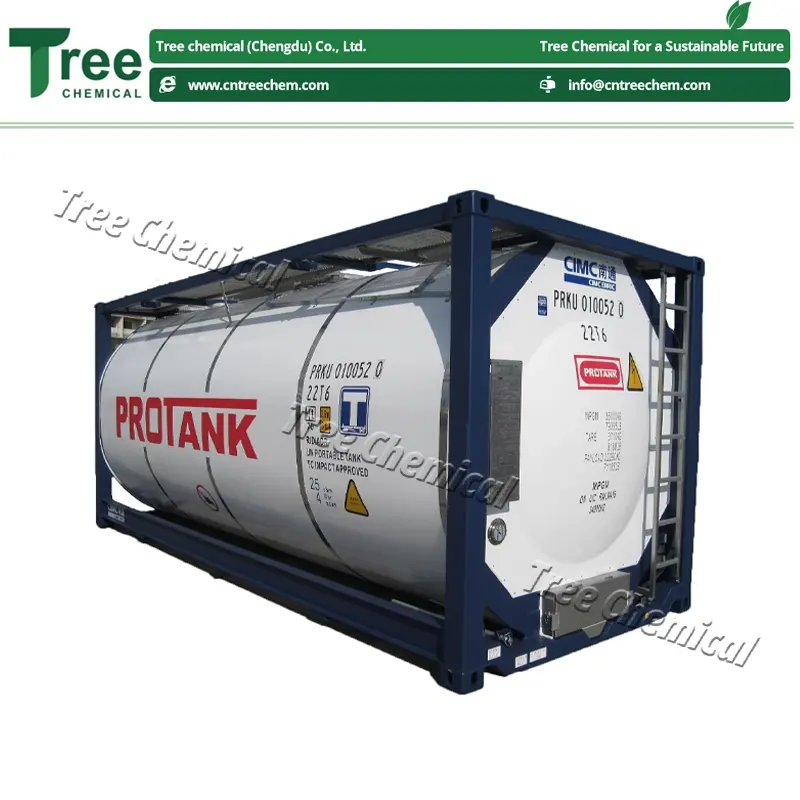
Furthermore, logistics play a massive role. Top-tier exporters utilize Flexibags within standard containers to maximize volume (usually 20-22 metric tons per 20ft container) while preventing contamination. A supplier’s ability to guarantee monthly volume allocation—despite seasonal fluctuations in waste oil generation—is often the deciding factor in long-term contracts.
Conclusion
As the global push for Sustainable Aviation Fuel (SAF) and renewable diesel accelerates, the competition for high-quality UCO feedstock will intensify. Distributors and refineries must partner with exporters who do not just sell oil, but who understand the chemical intricacies of biofuel production. Prioritizing low FFA and low MIU metrics today safeguards your production yields tomorrow.
CnTreeChem Premium UCO
For refineries and industrial buyers seeking a stable, high-purity feedstock partner, CnTreeChem delivers professional-grade Used Cooking Oil (UCO).
We understand that in the biofuel industry, consistency is currency. Our UCO is rigorously filtered and tested to ensure low Free Fatty Acid (FFA) content and minimal MIU (Moisture and Impurities). By strictly controlling the aggregation and filtration process, CnTreeChem provides a feedstock that maximizes conversion rates for Biodiesel and HVO production. Whether you require Flexibag shipments or bulk volume, our supply chain is engineered to support your manufacturing schedules with precision.

Frequently Asked Questions (FAQ)
What is the typical FFA content of your Used Cooking Oil?
Our standard premium UCO is processed to maintain low Free Fatty Acid (FFA) levels, typically optimized for biodiesel production efficiency. Specific specs (e.g., <5%) can be confirmed based on your current batch requirements.
How do you handle logistics for international buyers?
We specialize in using Flexibags installed in 20ft standard containers. This method is the industry standard for liquid bulk, ensuring safe, non-hazardous transport while maximizing the payload (approx. 20-22MT per container).
Can this UCO be used for HVO (Hydrotreated Vegetable Oil) production?
Yes. Due to our strict control over impurities and moisture (MIU), our UCO is an excellent feedstock for advanced biofuel processes, including HVO and HEFA (for aviation fuel).
How do you ensure the oil is free from solid impurities?
We utilize a multi-stage filtration process at our aggregation points to remove food particles and sludge, ensuring the MIU levels are kept within strict industrial limits before loading.
