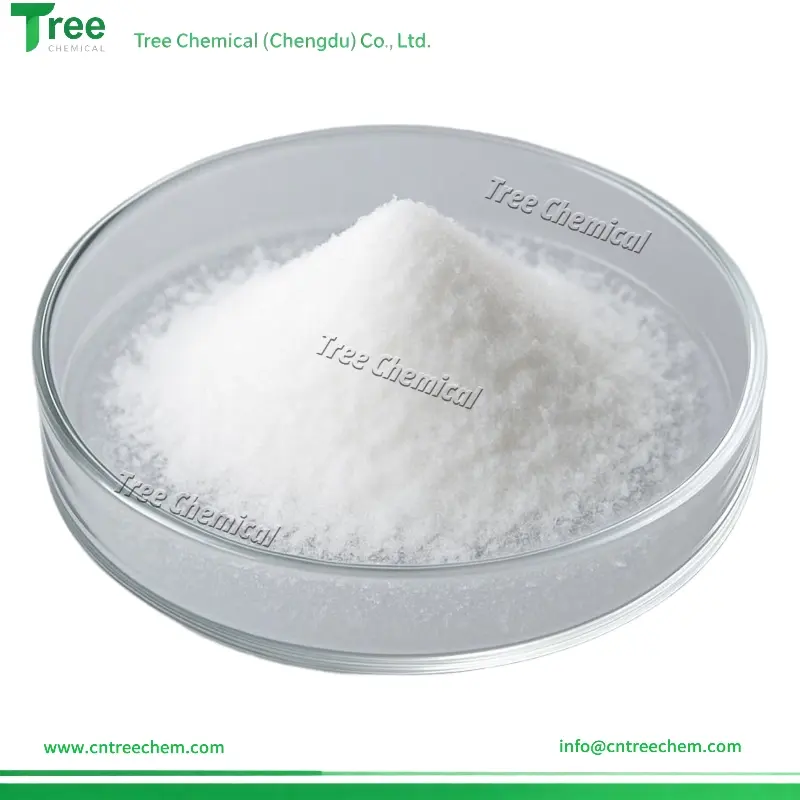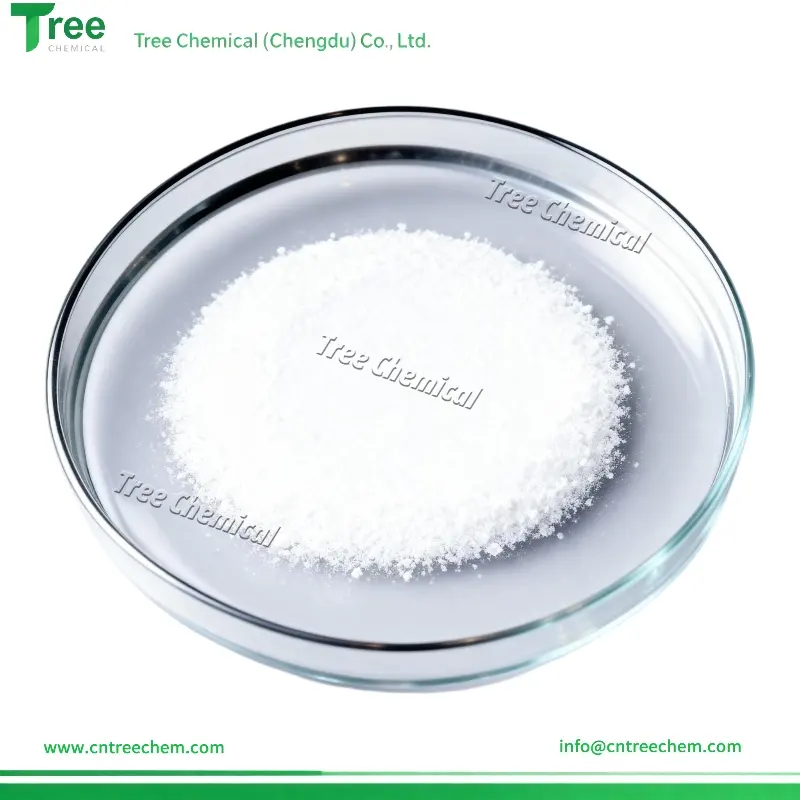


N-Vinyl-2-pyrrolidone NVP 1-Vinyl-2-pyrrolidone CAS 88-12-0
- CAS: 88-12-0
- Từ đồng nghĩa: 1-Vinyl-2-pyrrolidone; N-Vinylpyrrolidin-2-one; 2-Pyrrolidinone, 1-ethenyl-; Vinylpyrrolidone; monome VP
- Viết tắt: NVP
- Mã số EINECS: 201-800-4
- Công thức phân tử: C₆H₉NO
- Xếp loại: Xuất sắc / Hạng nhất / Đạt tiêu chuẩn
- Đóng gói: Thùng nhựa 200 kg
Hóa chất cây N-Vinyl-2-pyrrolidone (NVP) NVP được sản xuất thông qua quy trình tổng hợp được kiểm soát chặt chẽ, đảm bảo độ tinh khiết monome cao và hàm lượng chất ức chế tối thiểu. Với khả năng phản ứng ổn định và đặc tính trùng hợp sạch, NVP lý tưởng cho các ứng dụng yêu cầu kiểm soát khối lượng phân tử nhất quán và độ trong suốt.
Chúng tôi sản xuất và cung cấp NVP vì Các chất trung gian dược phẩm, chất phủ, chất kết dính, công thức mỹ phẩm và polyme xử lý nước., Cung cấp cả loại kỹ thuật và loại có độ tinh khiết cao, phù hợp cho tổng hợp polymer và các ngành công nghiệp chuyên biệt. Để biết thêm thông tin, vui lòng liên hệ info@cntreechem.com.
Đặc điểm kỹ thuật
Thông tin cơ bản
| Tham số | Giá trị |
| Tên sản phẩm | N-Vinyl-2-pyrrolidone |
| Viết tắt | NVP |
| Số CAS. | 88-12-0 |
| Số EINECS. | 201-800-4 |
| Công thức phân tử | C₆H₉NO |
| Vẻ bề ngoài | chất lỏng trong suốt không màu |
| Từ đồng nghĩa | 1-Vinyl-2-pyrrolidone; N-Vinylpyrrolidin-2-one; 2-Pyrrolidinone, 1-ethenyl-; Vinylpyrrolidone; monome VP |
| Bao bì | Thùng nhựa 200 kg |
Thông số kỹ thuật
| Mục | Hạng cao cấp | Lớp Một | Đạt tiêu chuẩn |
| Độ tinh khiết (wt%) ≥ | 99.6 | 99.2 | 98.5 |
| Nước (wt%) ≤ | 0.05 | 0.10 | 0.30 |
| Màu (Hazen) ≤ | 10 | 20 | 30 |
Ứng dụng
Ngành công nghiệp dược phẩm
- N-Vinyl-2-pyrrolidone (NVP) là một monome quan trọng được sử dụng để tổng hợp polyvinylpyrrolidone (PVP), được ứng dụng rộng rãi như một tá dược trong các công thức dược phẩm. Trong các dạng bào chế rắn như viên nén và viên nang, PVP hoạt động như chất kết dính, chất phân rã và chất hòa tan, cải thiện khả năng nén và tăng cường độ hòa tan của các loại thuốc khó tan. Nó đảm bảo sự phân rã nhanh chóng và giải phóng thuốc đồng đều, góp phần cải thiện sinh khả dụng. Trong các công thức dạng lỏng và thuốc tiêm, PVP đóng vai trò là chất ổn định và chất tăng độ nhớt, duy trì độ trong suốt và ngăn ngừa kết tủa.
- PVP có nguồn gốc từ NVP cũng được sử dụng trong các hệ thống giải phóng có kiểm soát và y học nano. Nó điều chỉnh hồ sơ giải phóng thuốc, ổn định các hạt nano và tăng cường khả năng hòa tan của thuốc. PVP-iodine, được tạo thành bằng cách kết hợp iodine với PVP, là một chất sát trùng được sử dụng rộng rãi, nổi tiếng với đặc tính kháng khuẩn phổ rộng và độ ổn định cao. Nó thường được ứng dụng trong các chất khử trùng y tế, chăm sóc vết thương và các sản phẩm vệ sinh răng miệng.
Mỹ phẩm và Chăm sóc cá nhân
- Các polyme gốc NVP đóng vai trò thiết yếu trong mỹ phẩm và các sản phẩm chăm sóc cá nhân, đặc biệt là trong chăm sóc tóc, chăm sóc da và trang điểm. Trong các sản phẩm tạo kiểu tóc như xịt, gel và mousse, PVP và các copolyme của nó mang lại độ giữ nếp chắc chắn, độ bóng và khả năng chống ẩm. Các polyme này tạo thành các lớp màng trong suốt, dẻo dai giúp tăng khả năng dễ tạo kiểu tóc và giữ nếp lâu dài.
- Trong các sản phẩm chăm sóc da, copolymer NVP đóng vai trò là chất tạo màng và chất cải thiện kết cấu. Chúng giúp tăng độ ổn định của sản phẩm, tăng khả năng tán đều và hỗ trợ giữ ẩm. Trong kem chống nắng và trang điểm, chúng ổn định sắc tố, ngăn ngừa sự tách lớp và tăng cường độ bám dính trên da, mang lại lớp nền mịn màng và đồng đều. Các thành phần gốc NVP được ưa chuộng vì tính an toàn, dịu nhẹ và tính linh hoạt trong các công thức chăm sóc cá nhân.
Ngành công nghiệp điện tử
- NVP là một chất pha loãng và monome phản ứng quan trọng trong các chất cản quang, lớp phủ và chất kết dính đóng rắn bằng tia UV được sử dụng trong ngành điện tử. Khả năng tương thích tuyệt vời và độ nhớt thấp của nó giúp cải thiện độ đồng nhất của lớp phủ và độ bám dính trong các bảng mạch in (PCB), vật liệu màn hình và hợp chất đóng gói. NVP đảm bảo quá trình đóng rắn nhanh và độ trong suốt cao, rất cần thiết cho các ứng dụng điện tử và quang học chính xác.
- Trong pin lithium-ion, PVP có nguồn gốc từ NVP đóng vai trò là chất kết dính và thành phần của chất điện phân polymer dạng gel. Nó tăng cường độ bám dính của điện cực, tính linh hoạt cơ học và độ dẫn ion. Các vật liệu gốc NVP cũng cải thiện hiệu quả xử lý trong chất bao bọc điện tử và chất dẫn điện dạng sệt, hỗ trợ các quy trình sản xuất tiên tiến.
Lớp phủ, mực in và chất kết dính
- NVP là thành phần quan trọng trong các loại sơn phủ, mực in và chất kết dính đóng rắn bằng tia cực tím nhờ khả năng phản ứng cao và tính linh hoạt của nó. Nó làm giảm độ nhớt của hệ thống, tăng tính dẻo dai và tăng cường độ bám dính với nhiều chất nền khác nhau như nhựa, gỗ và kim loại. Trong các loại sơn phủ đóng rắn bằng tia cực tím, nó mang lại tốc độ đóng rắn nhanh, độ bền cơ học cao và khả năng chống chịu thời tiết tuyệt vời.
- Trong ngành chất kết dính, NVP được sử dụng trong các hệ thống liên kết y tế và điện tử, nơi nó đảm bảo độ bám dính trong suốt, bền vững và hiệu quả đóng rắn cao. Nó cũng cải thiện khả năng thấm ướt và lưu biến trong công thức mực in, dẫn đến ứng dụng mượt mà hơn và chất lượng in được nâng cao. Khả năng liên kết chéo hiệu quả với acrylate và các monome phản ứng khác khiến nó trở thành chất điều chỉnh được ưa chuộng trong các công nghệ phủ hiệu suất cao.
Xử lý nước và dệt may
- Trong ngành công nghiệp dệt may, các copolyme NVP được sử dụng làm chất phụ trợ nhuộm, chất hoàn thiện và chất làm mềm. Chúng giúp tăng cường khả năng hấp thụ thuốc nhuộm, độ đồng đều màu sắc và độ mềm mại của vải, đồng thời cải thiện khả năng chống nhăn và phai màu. Trong quá trình xử lý da, chúng giúp cải thiện khả năng thẩm thấu thuốc nhuộm và độ mịn bề mặt.
- Trong xử lý nước, các copolyme NVP đóng vai trò là chất phân tán, chất keo tụ và chất chống đóng cặn, giúp loại bỏ chất rắn lơ lửng và ngăn ngừa sự hình thành cặn khoáng. Chúng tăng cường hiệu quả và độ ổn định của hệ thống trong các ứng dụng công nghiệp và đô thị. Tính linh hoạt của các dẫn xuất NVP làm cho chúng phù hợp với cả các công nghệ xử lý truyền thống và mới nổi.
Các ứng dụng công nghiệp khác
- NVP và các polyme của nó được sử dụng trong nhiều ngành công nghiệp khác nhau, bao gồm giấy, thực phẩm và dầu khí. Trong lớp phủ giấy, PVP giúp tăng độ bóng, độ bền và khả năng in ấn. Trong chế biến thực phẩm, PVP dùng trong thực phẩm đóng vai trò là chất làm trong và ổn định trong các loại đồ uống như bia và rượu vang. Trong các ứng dụng dầu khí, các dẫn xuất của NVP cải thiện tính lưu biến, khả năng bôi trơn và độ ổn định nhiệt của dung dịch khoan. Những ứng dụng đa dạng này chứng minh tầm quan trọng của NVP như một monome đa chức năng trong cả lĩnh vực truyền thống và công nghệ cao.
Lưu trữ & Xử lý
- Bảo quản trong mát mẻ, thoáng khí và khô ráo Đặt ở những nơi tránh xa nguồn nhiệt và ánh nắng trực tiếp.
- Tránh tiếp xúc với chất oxy hóa, axit và peroxit để ngăn ngừa quá trình trùng hợp.
- Giữ nguyên hộp đựng đóng chặt Nên phủ lớp khí nitơ nếu có thể.
- Sử dụng thép không gỉ hoặc nhôm thùng chứa và thiết bị khô.
- Nhiệt độ bảo quản khuyến nghị: dưới 30 °C.
Thông báo sử dụng
- Xử lý bên dưới điều kiện thông gió; Tránh hít phải hơi.
- Sử dụng găng tay bảo hộ, kính bảo hộ và áo khoác phòng thí nghiệm khi xử lý.
- Tránh tiếp xúc lâu với không khí để ngăn ngừa quá trình trùng hợp không mong muốn.
- Không được trộn với các monome hoặc peroxit phản ứng trừ khi có sự kiểm soát.
- Vứt bỏ rác thải theo đúng quy định. quy định quản lý hóa chất địa phương.
- Chất kết dính viên nén: PVP-K30 0,5–5% — cải thiện khả năng nén, độ kết dính và khả năng phân rã của viên nén.
- Viên nén giải phóng chậm: PVP-K90 1–3% — hoạt động như một chất kết dính tạo lỗ xốp để giải phóng hoạt chất kéo dài.
- Dung dịch Povidone-iodine: PVP-I 5–10% — có hoạt tính kháng khuẩn mạnh và độ ổn định cao.
- Keo xịt tóc: PVP 4%, ethanol 70%, nước 20% — đảm bảo giữ nếp lâu dài, độ bóng và độ mềm mại cho tóc.
- Mousse tạo kiểu tóc: PVP 4–7%, chất giữ ẩm 0.5%, chất đẩy 25–50% — giúp cải thiện khả năng giữ nếp và độ đàn hồi.
- Kem dưỡng ẩm: PVP 1–3%, glycerin 3–5%, cân bằng nước — tăng cường độ ẩm và kết cấu sản phẩm.
- Lớp phủ đóng rắn bằng tia UV: NVP 15–30%, oligomer + chất khởi tạo quang hóa — tăng cường độ bám dính và tốc độ liên kết chéo.
- Chất điện giải dạng gel ion liti: NVP 40–60%, muối Li 15–25%, chất liên kết ngang 3–8% — cung cấp độ dẫn ion cao.
- Lớp phủ chống hàn PCB: NVP 20%, epoxy 60%, chất khởi tạo quang hóa 5%, chất độn 15% — cải thiện độ bám dính và độ dẻo.
- Dung dịch nhuộm vải: NVP 5%, thuốc nhuộm 8%, nước 87% — giúp tăng độ đồng đều và độ sáng của màu sắc.
- Keo công nghiệp: NVP 10–20%, nhựa 60%, chất khởi tạo 5%, chất độn 15% — đảm bảo độ bám dính mạnh và đóng rắn nhanh.
Bao bì
- Thùng nhựa 200 kg
- Có thể đóng gói theo yêu cầu.